FIFA’s Proposed Commercial Rights Sale
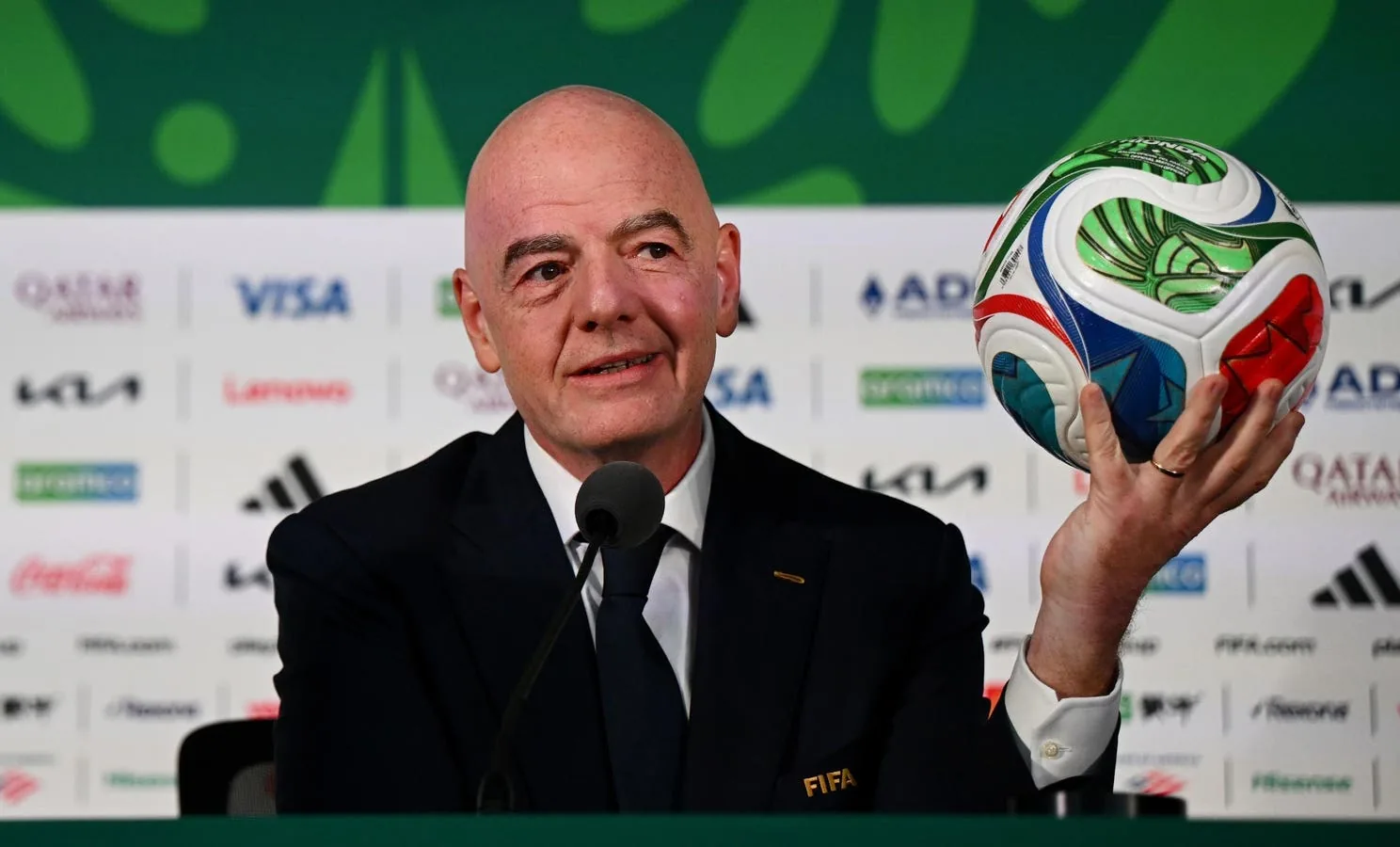
FIFA plans to ask its 211 member associations to vote in September on a proposal to sell minority stakes in the World Cup’s commercial rights. This plan has already drawn criticism from football governing bodies across the Americas, Asia, and Europe. The proposal involves selling a reported 20% minority stake in a new subsidiary, aiming to raise an estimated $4.2 billion in 2026, based on an equity valuation of $20 billion.
The new company, to be named FIFA Forward Enterprise, would manage the non-profit organisation’s commercial and event operations. FIFA has stated that it would remain the primary owner of this new subsidiary, retaining control over scheduling competitions, matches, governance, and regulatory decisions. Each of the 211 member associations would receive $20 million in funding if the deal proceeds, with annual funds to members projected to increase through 2038.
Thrive Eternal, a fund established by Josh Kushner’s Thrive Capital, which previously acquired a minority stake in the San Francisco Giants, is set to lead the investor group. JPMorgan bankers are advising FIFA on this initiative. The plan requires approval from a majority of FIFA’s member associations.
Widespread Opposition and Concerns
The proposal has generated significant controversy among football fans, analysts, and other governing bodies. UEFA, Europe’s football governing body, has expressed strong opposition, stating that the soul and governance of football are not assets to be traded, especially without transparency regarding financial beneficiaries. UEFA takes the matter seriously and believes all stakeholders, including national football associations, leagues, clubs, players, supporters, and governments, should too.
An emergency meeting for UEFA is scheduled to discuss the matter. French sports minister Marina Ferrari highlighted the importance of European stakeholders speaking with a unified voice when faced with a project that could profoundly transform the sport. UEFA is reportedly considering the threat of boycotting FIFA events, including the World Cup and the Club World Cup. Tensions between UEFA and FIFA have been high recently, with UEFA president Aleksander Ceferin having boycotted the World Cup final over various issues.
CONCACAF, the football confederation for North America, Central America, and the Caribbean, also expressed deep concern over the lack of due process, stating they were only informed of the deal through media reports. They conveyed disappointment that the deal was presented without prior discussions with other football governing bodies. Similarly, the Asian Football Confederation issued a statement indicating they were not consulted and did not have the opportunity to examine and discuss the deal through established governance channels.
The Football Association in England also stated it was completely unaware of the proposal and lacked substantive details, including the proposition itself and any attached conditions. The English organisation expressed deep concern regarding the lack of information and transparency. British Prime Minister Andy Burnham also voiced opposition, asserting that football belongs to the people who fill the stands and not to investors, emphasising that the World Cup is not a product but belongs to the fans.
Infantino’s Vision for Expansion
Gianni Infantino’s desire to expand professional football and its revenues has been a central theme since his election as FIFA president in 2016. Initially, he promised to restore FIFA’s image and anticipated global applause, while also assuring a significant increase in funding for his electorate. His vision has become more entrenched over his presidency.
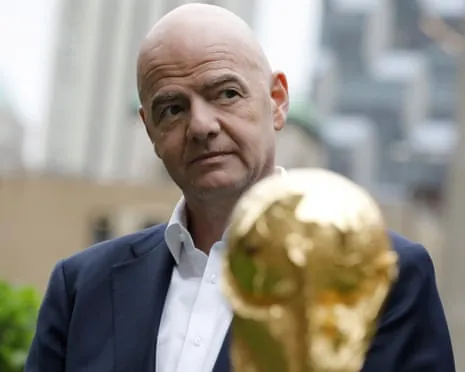
In 2016, Infantino first proposed expanding the size of the World Cup and also suggested an enhanced version of the Club World Cup. By 2017, it was confirmed that the World Cup would expand to 48 teams for the 2026 tournament. In 2018, he introduced the concept of a global Nations League, intending to create a new corporate vehicle funded by external investment, though this plan was eventually abandoned.
Following the Covid-19 pandemic, which resulted in substantial financial losses for football, FIFA’s activity and proposed innovations accelerated. This included the launch of the 32-team Club World Cup and subsequent discussions about its further expansion. The 2034 World Cup was awarded to Saudi Arabia without contest, and the 2030 World Cup was spread across three continents and six host countries. There is also a possibility that the tournament could be expanded again to include 64 national teams. Mandatory hydration breaks were also introduced as an idea late last year.
Reports in the Times suggested that Infantino could potentially become CEO of the new venture after his presidency, receiving remuneration more akin to a corporate leader. FIFA has denied that such discussions have taken place, and Infantino himself told the paper that the idea has never been discussed. FIFA’s own statement did not detail Infantino’s future role in the company. FIFA reportedly consulted with the Trump administration on these plans, according to two sources.
FIFA generated $15 billion in revenue from the 2026 World Cup, a significant increase compared to the estimated $7.57 billion from the 2022 World Cup cycle. Infantino had previously pledged to unleash FIFA’s commercial potential and opportunities, a point the non-profit has frequently cited in announcing the new venture plans.
Source: theguardian.com

Priya Nair
Sports Reporter