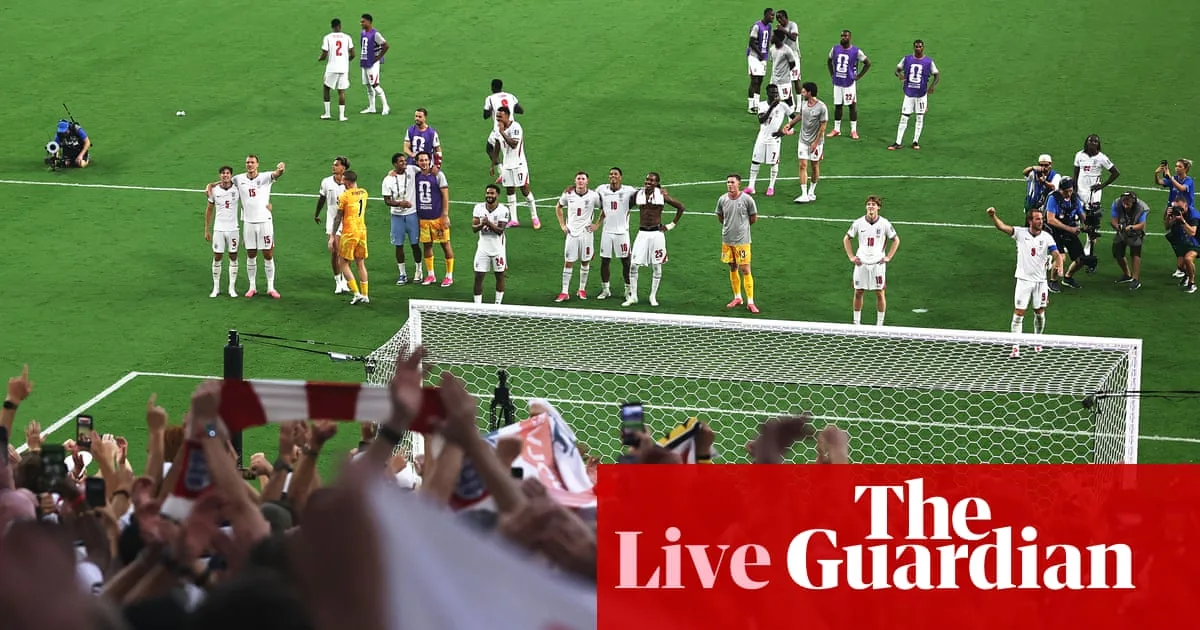
England’s controversial quarter-final victory
England secured a 2-1 victory over Norway in a World Cup quarter-final match that included significant controversy. The game, which went into extra time, saw much discussion centred on Jude Bellingham’s first-half equaliser. Norwegian players and staff believed the goal should have been disallowed due to the ball reportedly striking an overhead cable.
The incident occurred just before halftime when Norway goalkeeper Orjan Nyland launched a goal kick. Several Norwegian players, including Nyland and coach Stale Solbakken, protested that the ball had hit one of the cables supporting the Skycam. Despite their appeals to referee Szymon Marciniak, play continued, and Bellingham subsequently scored the equaliser.
Under the Laws of the Game, if the ball contacts an outside object like an overhead cable, play should be stopped and restarted with a dropped ball. However, officials allowed the game to proceed. Clips of the incident circulated widely on social media after halftime, sparking debate about officiating in the tournament.
FIFA’s response and Connected Ball Technology
FIFA later issued a statement addressing the controversy, dismissing claims that the ball had touched the wire. The organisation stated there was “no evidence” to support these claims. According to FIFA, the sensor in the Connected Ball showed no peak in its “heartbeat” while in the air before England’s goal in the 45th minute, indicating no contact with an overhead wire.
The 2026 World Cup utilises Connected Ball Technology (CBT), which involves a tiny motion sensor fitted within the official match ball. This sensor transmits data 500 times per second to assist the VAR system. While primarily designed to enhance offside decisions, CBT can also detect contact between the ball and players or other objects.
The drama continued into the second half when Norway thought they had taken the lead, only for VAR to rule out the goal after Erling Haaland was judged to have committed a foul in the build-up. With the match heading towards penalties, Bellingham scored his sixth goal of the tournament in the 93rd minute of extra time, capitalising on a mistake from Nyland, to send England into the semifinals.
England’s path to the semifinals
The victory means England will now face either Argentina or Switzerland for a place in their first World Cup final since 1966. This comeback win also highlights England’s increased resilience, as they have now won two knockout matches after conceding first in their last three games, a feat they had not achieved since the 1966 final before this tournament.
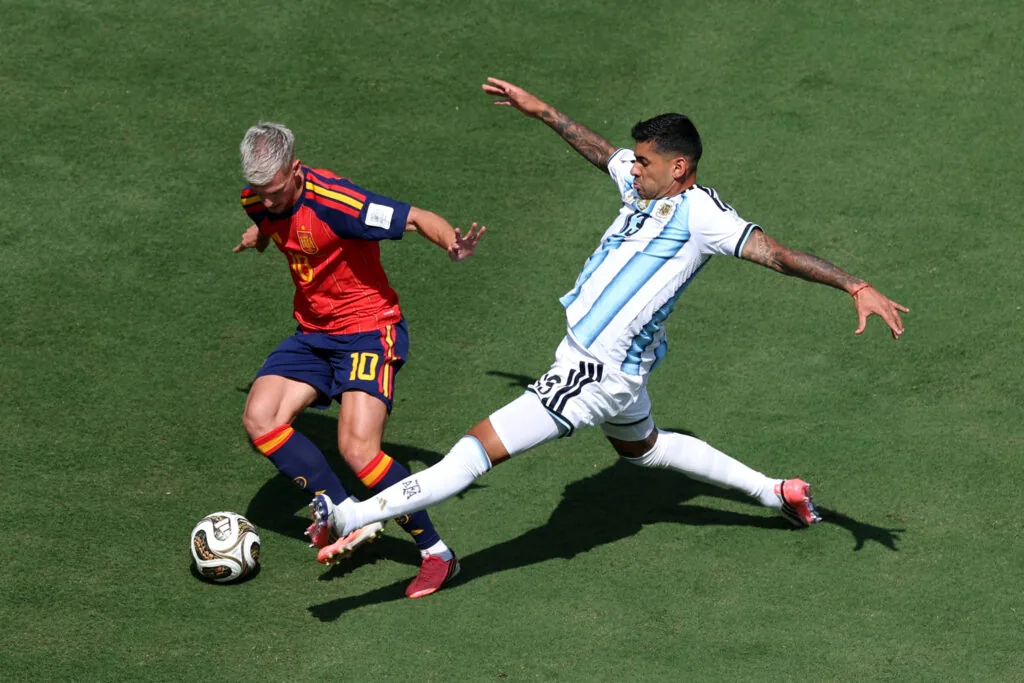
The defeat ended Haaland’s streak of scoring in 14 consecutive competitive internationals for Norway. He was substituted during the second period of extra time after a demanding performance. Argentina also required extra time to overcome European opposition, with Julian Alvarez being their key player, benefiting from Breel Embolo’s red card for Switzerland.
England and Argentina join France and Spain in the semifinals. This marks the first time since FIFA’s rankings began in 1992 that the World Cup semi-finalists are the top four sides in the world based on rankings.
Read Also
- Former England captain Heather Knight to retire from international cricket
- Kansas City: Argentina leads Switzerland in World Cup quarter-final
- India begins ODI series preparations at Edgbaston, Rohit Sharma trains in London
- Argentina advance to World Cup semi-finals after contentious red card incident
Source: theguardian.com

Priya Nair
Sports Reporter