England’s significant semi-final challenge
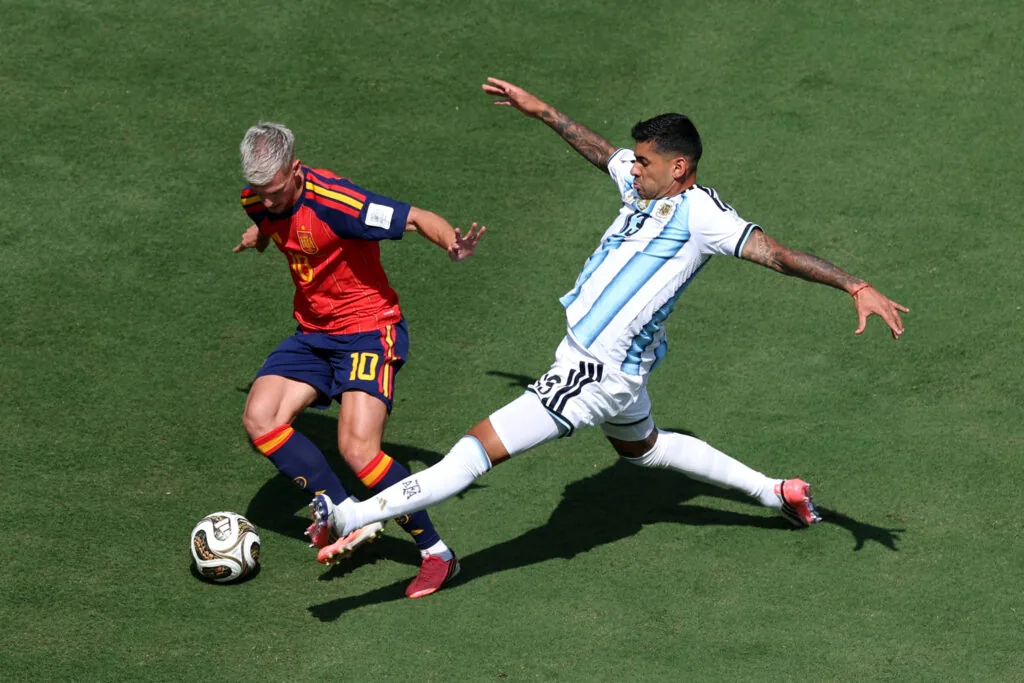
England is set to face Argentina in a World Cup semi-final match, described as their most significant fixture since the 1966 World Cup final. This encounter in the Atlanta Stadium offers Thomas Tuchel‘s squad an opportunity to reach the nation’s first men’s World Cup final in six decades. The global interest in this match was evident at Tuchel’s pre-match media briefing, which required a larger venue due to the attendance.
The upcoming game is a chance for England to overcome a long-standing barrier, as they have not reached a global showpiece event since Sir Alf Ramsey‘s team lifted the Jules Rimet trophy in 1966. Despite reaching two World Cup semi-finals since then, in 1990 and eight years ago, and two European Championship finals, the team has not secured a major trophy. Tuchel expressed confidence in his team, stating, “We now want to squeeze the last bit out. We want to take the next step.” He also noted the excitement and ambition within the squad, which he believes is crucial for the game.
A rivalry steeped in history
The match between England and Argentina is distinguished by a history of sporting animosity and contentious incidents dating back to 1966. Their 1966 World Cup quarter-final at Wembley is famously remembered for the sending off of Argentina‘s captain, Antonio Rattin, an event that led to significant tension. After Geoff Hurst‘s late winning goal, England manager Ramsey notably prevented his players from exchanging shirts with the Argentina team.
The rivalry intensified with their meeting in the 1986 World Cup quarter-final in Mexico City, set against the backdrop of the Falklands War. This game featured Diego Maradona‘s controversial “Hand Of God” goal and his subsequent brilliant second goal, leading to Argentina‘s 2-1 victory and their eventual World Cup triumph. Another memorable encounter occurred in the 1998 World Cup last-16, where David Beckham was sent off, and Michael Owen scored a remarkable solo goal, though Argentina ultimately won on penalties.
Lingering ill-feeling was still present when the teams met again four years later in a World Cup group stage match in Japan. In that game, Beckham scored the winning goal from a penalty, but Argentina disputed the call, alleging that Owen had dived. Tuchel acknowledged the deep-seated rivalry, stating, “It is a very big rivalry between two big footballing nations.” He added that the players are aware of the fixture’s iconic moments, making it more than just another football match. Argentina boss Lionel Scaloni also commented on the emotional history surrounding the fixture.
The Messi factor and key players
This World Cup could mark the final appearance for Argentina‘s star player, Lionel Messi. Having achieved his dream of winning the trophy at Qatar 2022, Messi, at 39, continues to be a pivotal figure for his team. Despite covering a significant portion of the field at a walking pace during this tournament, he remains Argentina‘s primary inspiration.
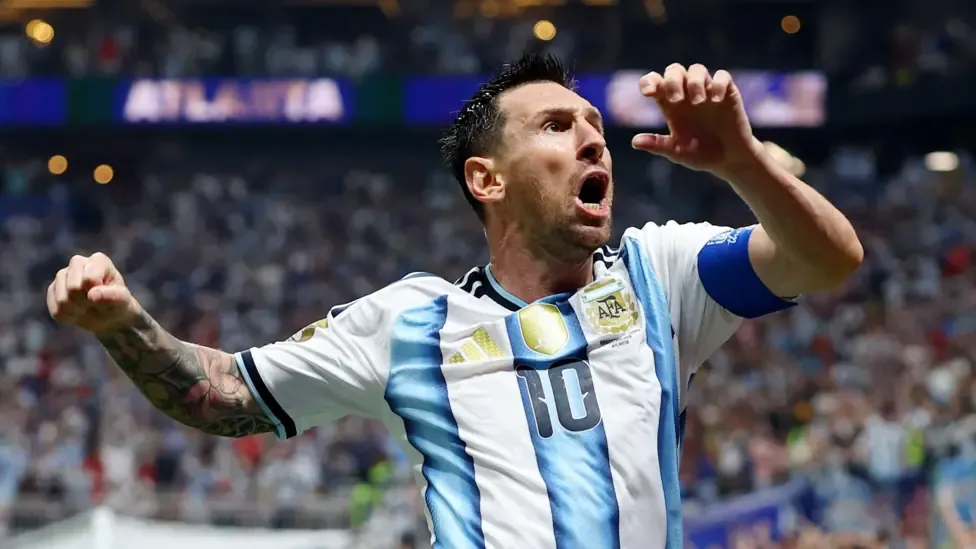
England‘s coach Tuchel praised Messi, describing him as “incredible” and acknowledging his quality and leadership within the Argentina team. Messi has a notable history against Premier League clubs, having played 26 games, winning 17, losing four, and scoring 27 goals since the 2009 Champions League final. His performances against Manchester City and Tottenham at Wembley are considered among his most sublime. His five losses against English clubs have primarily come against teams known for their high tempo and physical pressure.
For England, Jude Bellingham and Harry Kane are central to their campaign, having driven the team to the semi-finals. This highlights their crucial role, even if it suggests a reliance on their individual form. Tuchel, known for his success in knockout football, including winning the Champions League with Chelsea in 2021, will be looking to guide his team to victory. Both England and Argentina have faced challenging situations in the knockout phase, with Argentina navigating difficult matches against Switzerland.

The match is anticipated to be a contest of will and aura, particularly given Messi‘s presence. The historical context, including the Falklands War, adds another layer of intensity to the rivalry, which is deeply ingrained in Argentina‘s national identity and football lore. The game is expected to be a highly emotional and unpredictable event.
Read Also
Source: bbc.com

Priya Nair
Sports Reporter