Tuchel’s Post-Match Assessment
England manager Thomas Tuchel has voiced concerns regarding his team’s performance following their World Cup quarter-final victory against Norway. Despite the win, Tuchel stated, “We made life very difficult for ourselves. The result is fantastic but I’m not happy with the performance.” He acknowledged the players’ effort, team spirit, and belief in overcoming adversity, but maintained that the team is capable of playing better. Tuchel highlighted issues such as “momentum swings for both teams,” “sloppy” play, “technical mistakes,” and a lack of speed and repetition in their game.
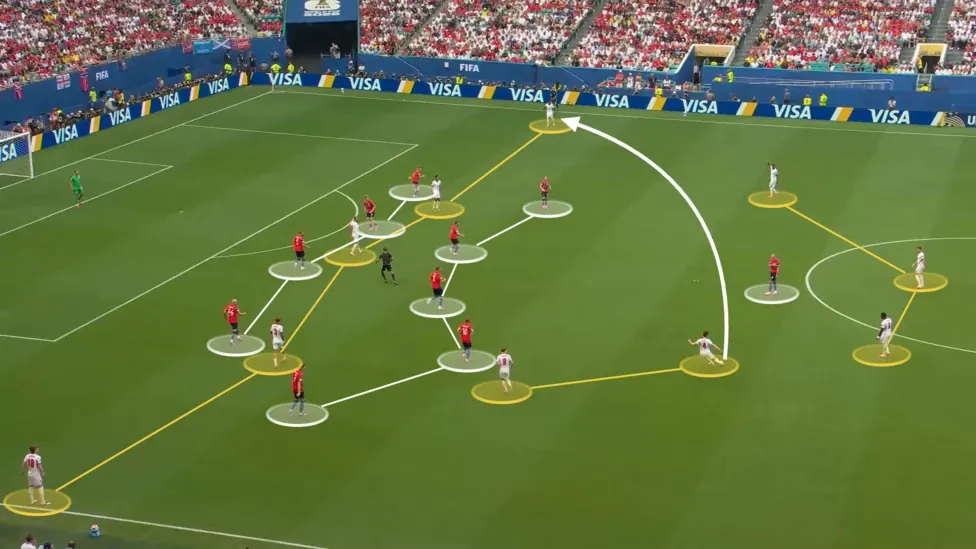
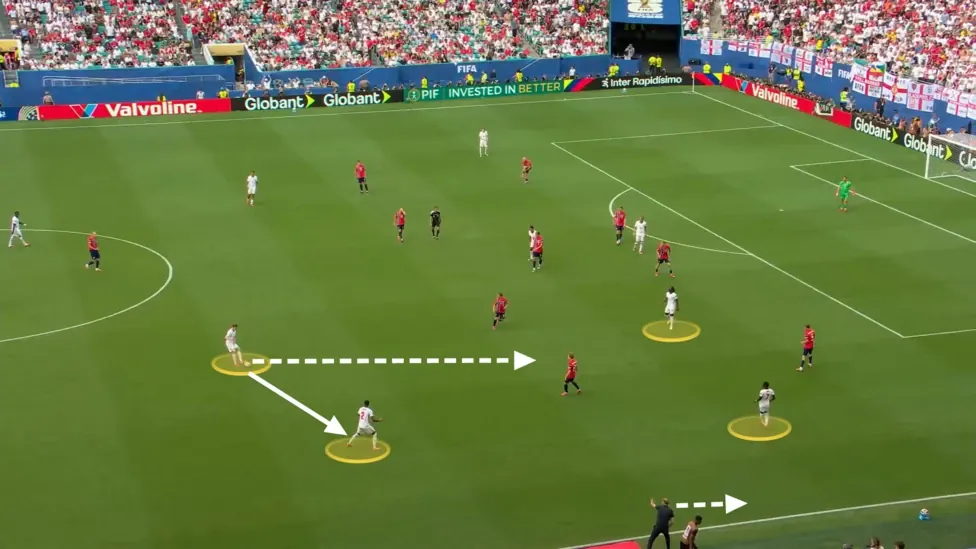
Tuchel’s vision for England involves a specific style of play, which influenced his squad selection. Key principles include dominating possession, aggressive pressing, using deliberate passes to draw out opposition pressure, and then accelerating play to find forwards in space. Against defensive blocks, he aims for attacks down the flanks, utilising wide triangles and rotations to create opportunities. While glimpses of this approach have been seen throughout the tournament, Tuchel remains unsatisfied with its consistent application.
Tactical Frustrations Against Norway
Many of Tuchel’s post-match comments focused on his side’s on-the-ball play. Norway defended in a 4-5-1 formation, aiming to block space, while England attacked in a 3-2-5 shape. The defensive setup included Marc Guehi, John Stones, and Ezri Konsa in the first line, with Declan Rice and Elliot Anderson in midfield. Left-back Nico O’Reilly joined the front four, providing an extra player against Norway‘s backline.
Tuchel’s remark about England not being “repetitive enough” likely referred to the absence of sustained periods of short passing designed to draw Norway out. This tactic, which creates space for attackers, was observed in the first quarter against Norway, with England drawing defenders to one flank before switching play to the far-side winger, often Noni Madueke. However, this repetitive baiting of pressure diminished as the game progressed, with England‘s first-half possession dropping significantly in the second half.
A significant point of frustration for Tuchel was the team’s inability to effectively use wide triangles and positional rotations. Norway‘s wide midfielders did not drop into the defensive line, and their narrow back four presented ideal conditions for England to exploit these wide areas. Tuchel noted that England was “not fast enough” in capitalising on these opportunities. Similar patterns had reportedly worked for Iraq and France against Norway.
Assistant coach Anthony Barry‘s half-time comments from an earlier match against Croatia, where he noted the team was “not playing through the gaps” and had fallen into “fearful patterns,” still resonated with the team’s performance against Norway, according to reports.
Controversy and Resilience
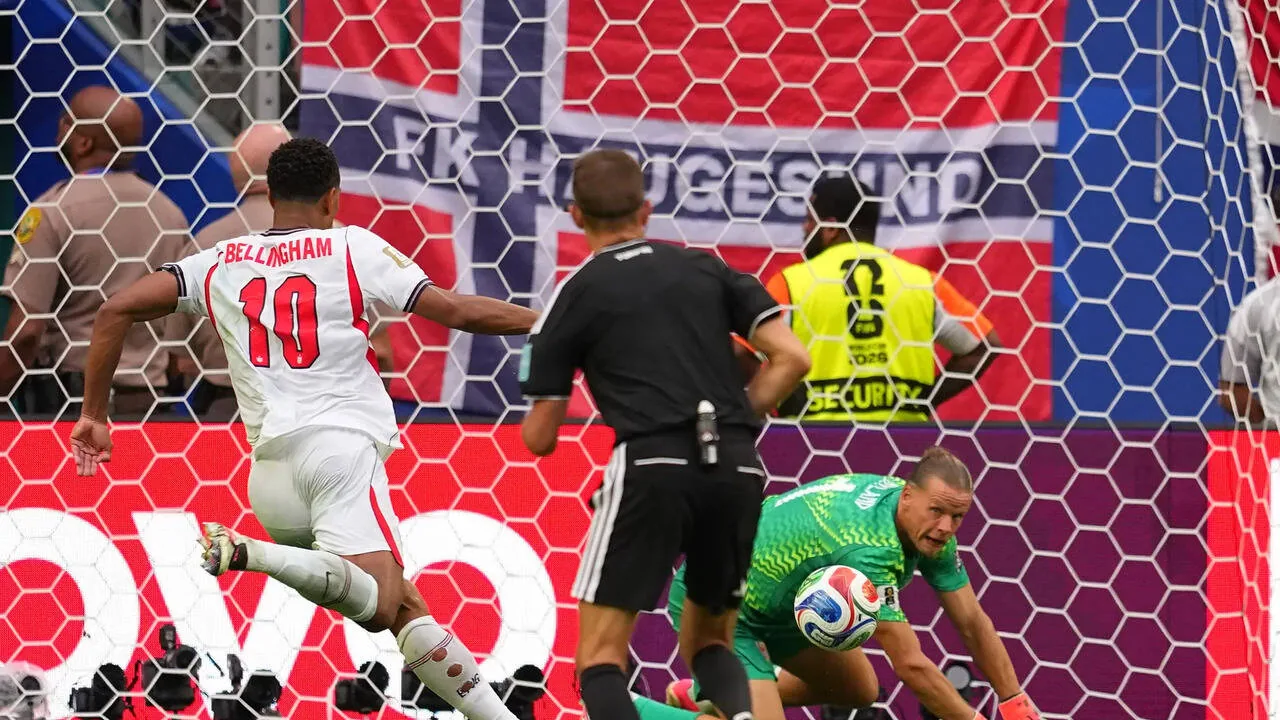
The match also featured a controversial incident involving Jude Bellingham‘s equaliser. Norway head coach Ståle Solbakken stated that the ball appeared to strike an overhead camera cable before the goal. The incident occurred late in the first half when goalkeeper Ørjan Nyland‘s goal kick seemingly made contact with a suspended camera wire. England quickly regained possession, and Bellingham scored to level the scores.
Nyland and Solbakken appealed to the referee, believing play should have been stopped, but their protests were dismissed. Television replays reportedly showed the ball making contact with the cable. However, FIFA later maintained there was “no evidence that the ball touched the overhead wire and changed the movement of the ball.” Solbakken explained that the referee was unaware of any contact and received no message about it. Under the Laws of the Game, play should be stopped and restarted with a dropped ball if the ball touches an outside object like an overhead cable.
Despite his disappointment, Solbakken chose not to dwell on the incident, praising his players for their efforts throughout the tournament. He described the situation as “bizarre” but accepted it as part of football. He also suggested that the unexpected trajectory of the ball after the alleged contact created confusion among his players at a critical moment.
Despite the performance concerns, England found ways to win. For their first goal, a long goal-kick from Nyland landed at Anderson‘s feet, catching Norway in a disorganised defensive shape. Anderson‘s run committed Julian Ryerson, allowing Anthony Gordon to run unmarked. This drew Kristoffer Ajer across, and Sander Berge dropped into the defensive line, creating space for Bellingham to score. This pattern of capitalising on disorganised defences was also noted in England‘s opening goal against Mexico.
England‘s winning goal against Norway also came from a moment of disorganisation after a corner. Morgan Rogers‘ shot from distance was parried by Nyland, and Bellingham scored from the rebound. Bellingham commented on the psychological aspect of the game, stating, “The game is split into loads of different facets – technical, tactical, and, the biggest one is psychological, managing adversity.” The team’s ability to perform in chaotic game states has been highlighted as a commendable trait.
Read Also
Source: bbc.com

Priya Nair
Sports Reporter