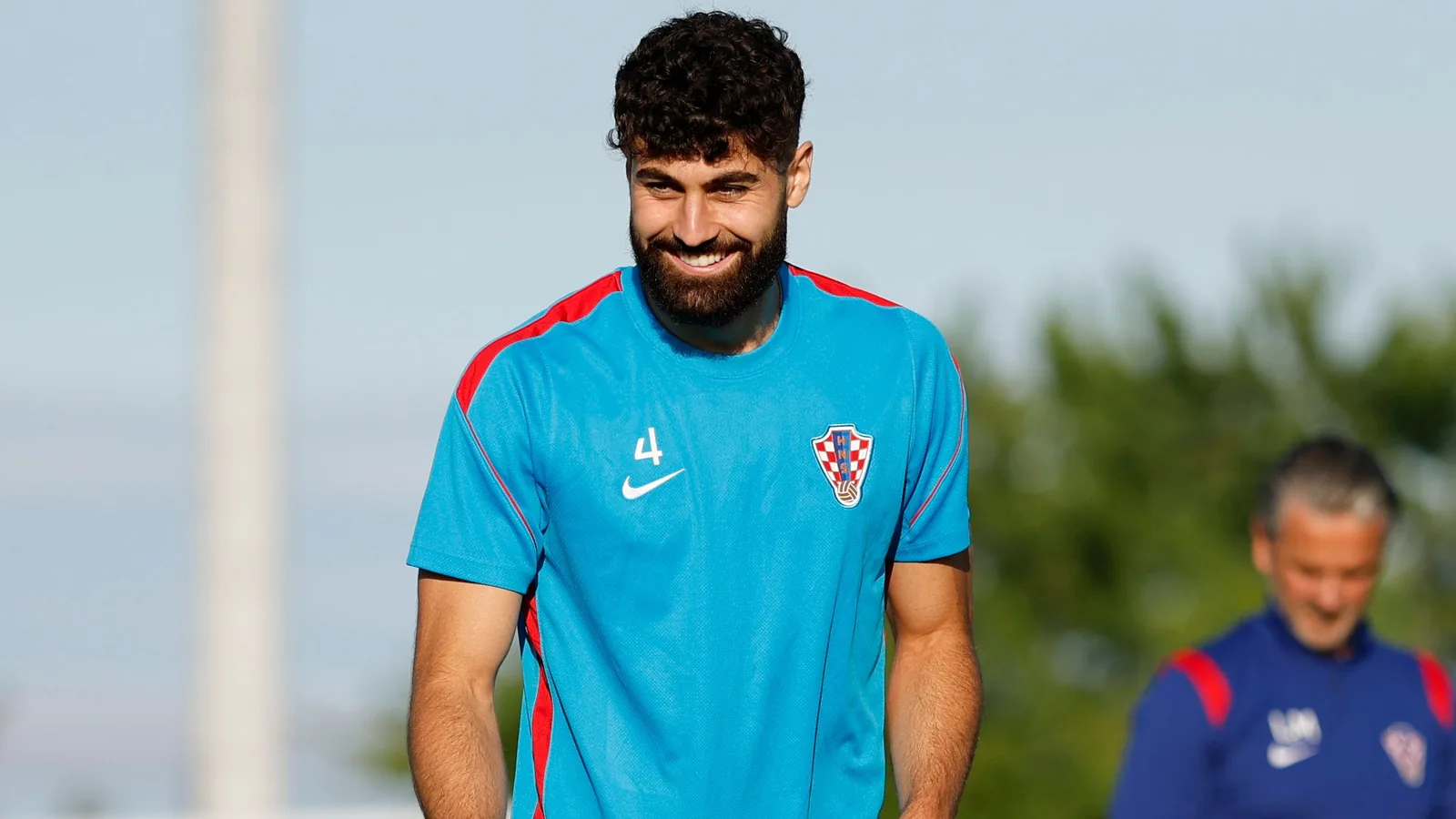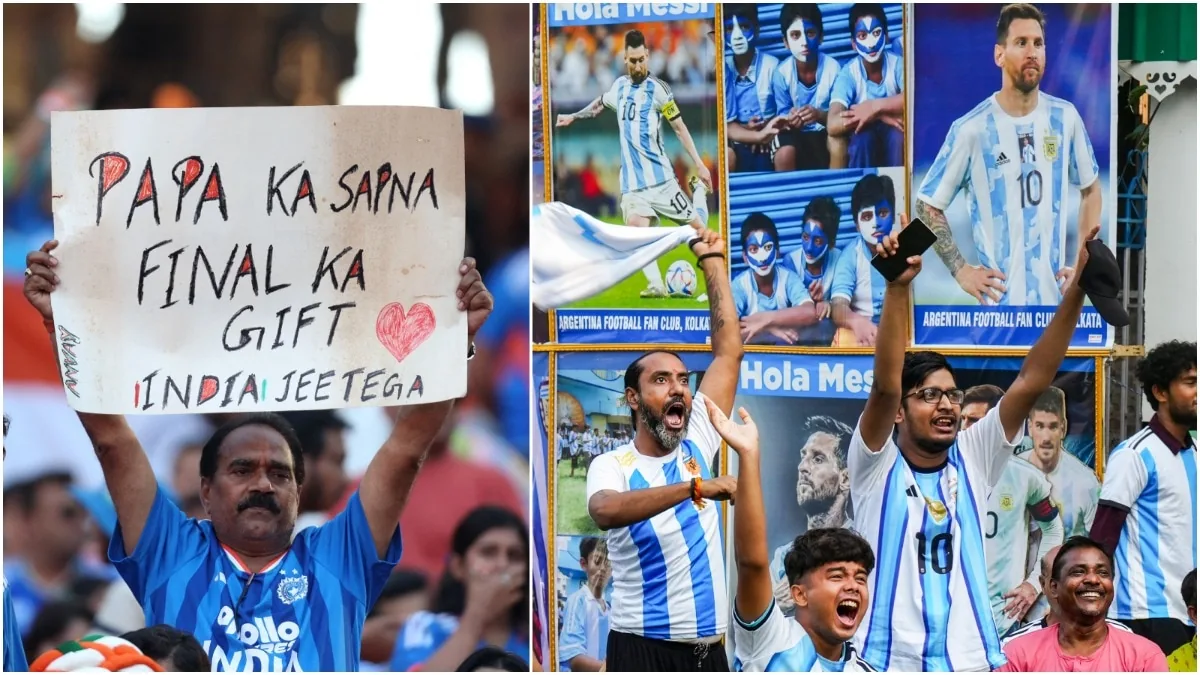
Football’s growing dominance
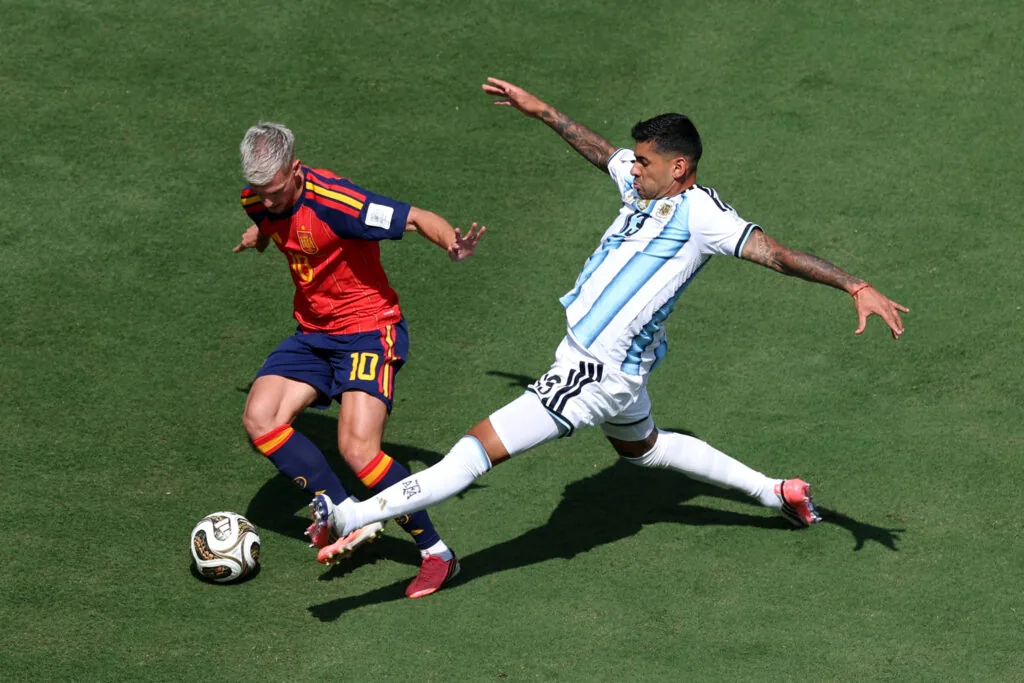
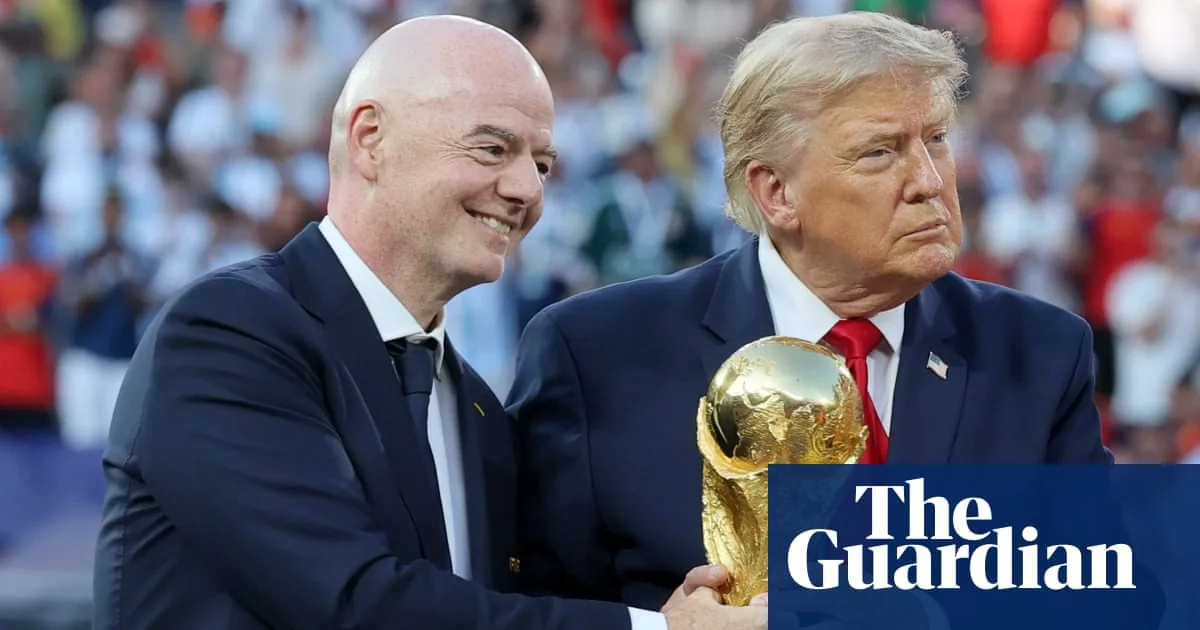
The FIFA World Cup has become a significant event, often overshadowing other sports during its run. This global tournament, with its extensive schedule, tends to capture widespread attention, making it challenging for other sporting events to gain media visibility.
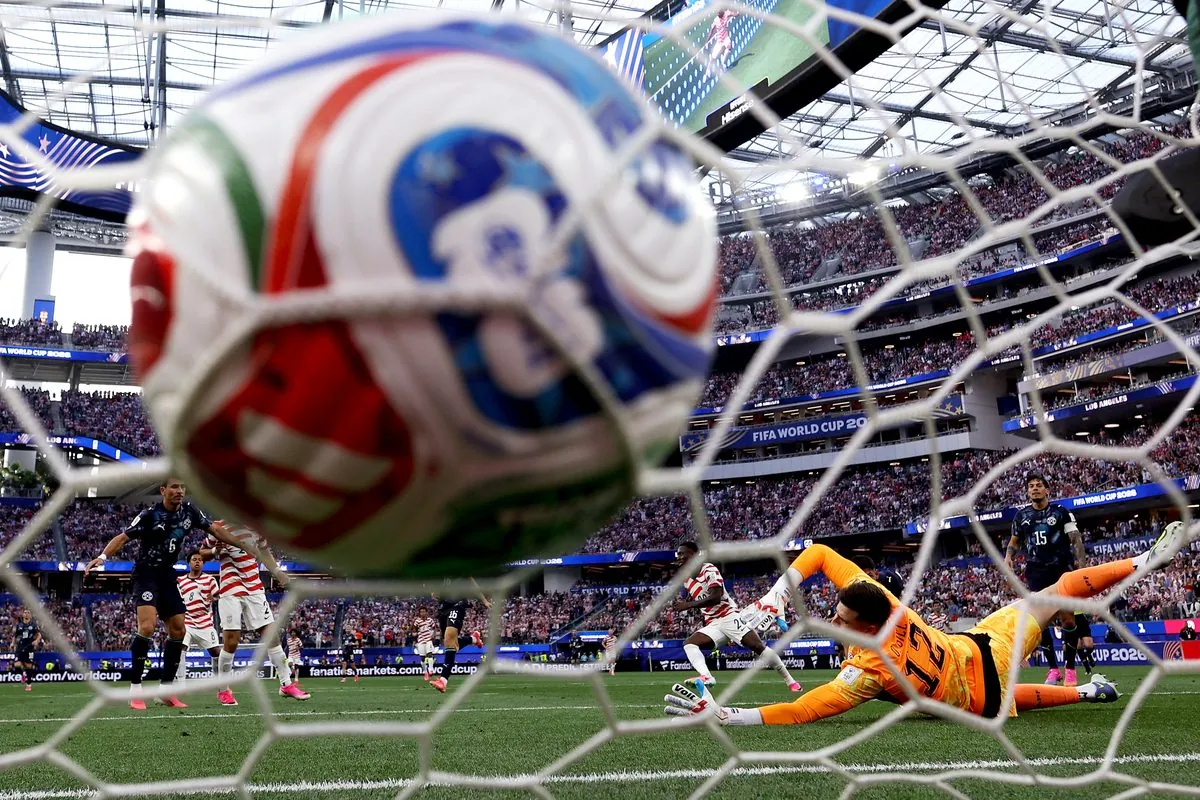
The current FIFA World Cup includes 103 matches, with 52 already completed. The more critical stages of the tournament, such as the Round of 32, are set to commence, further intensifying its presence in the sports landscape.
The expansion of the FIFA World Cup to 48 nations has led to discussions about further growth. Some suggest an increase to 64 nations, though this raises concerns about the tournament’s size and potential impact on other sports.
Despite the overwhelming focus on football, other sports continue their seasons. However, they often struggle for airtime and public awareness. For instance, controversies like Ben Stokes’s one-match exile from the England Test team and the heckling of Wyndham Clark at the US Open have managed to draw some attention.
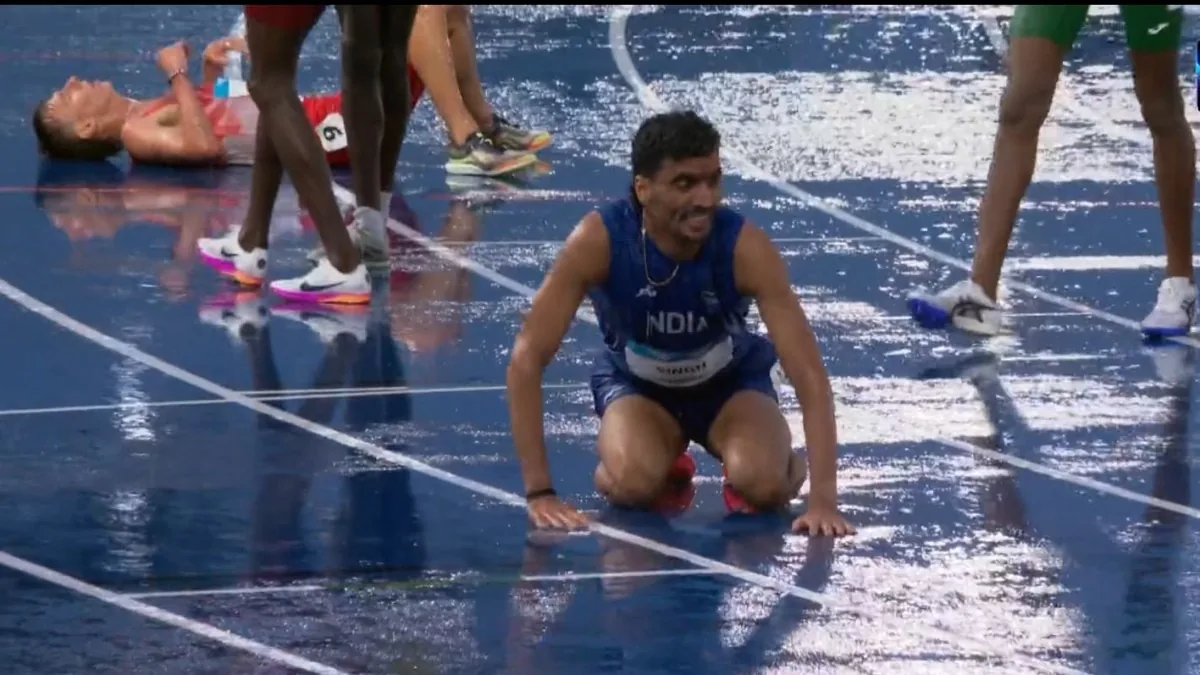
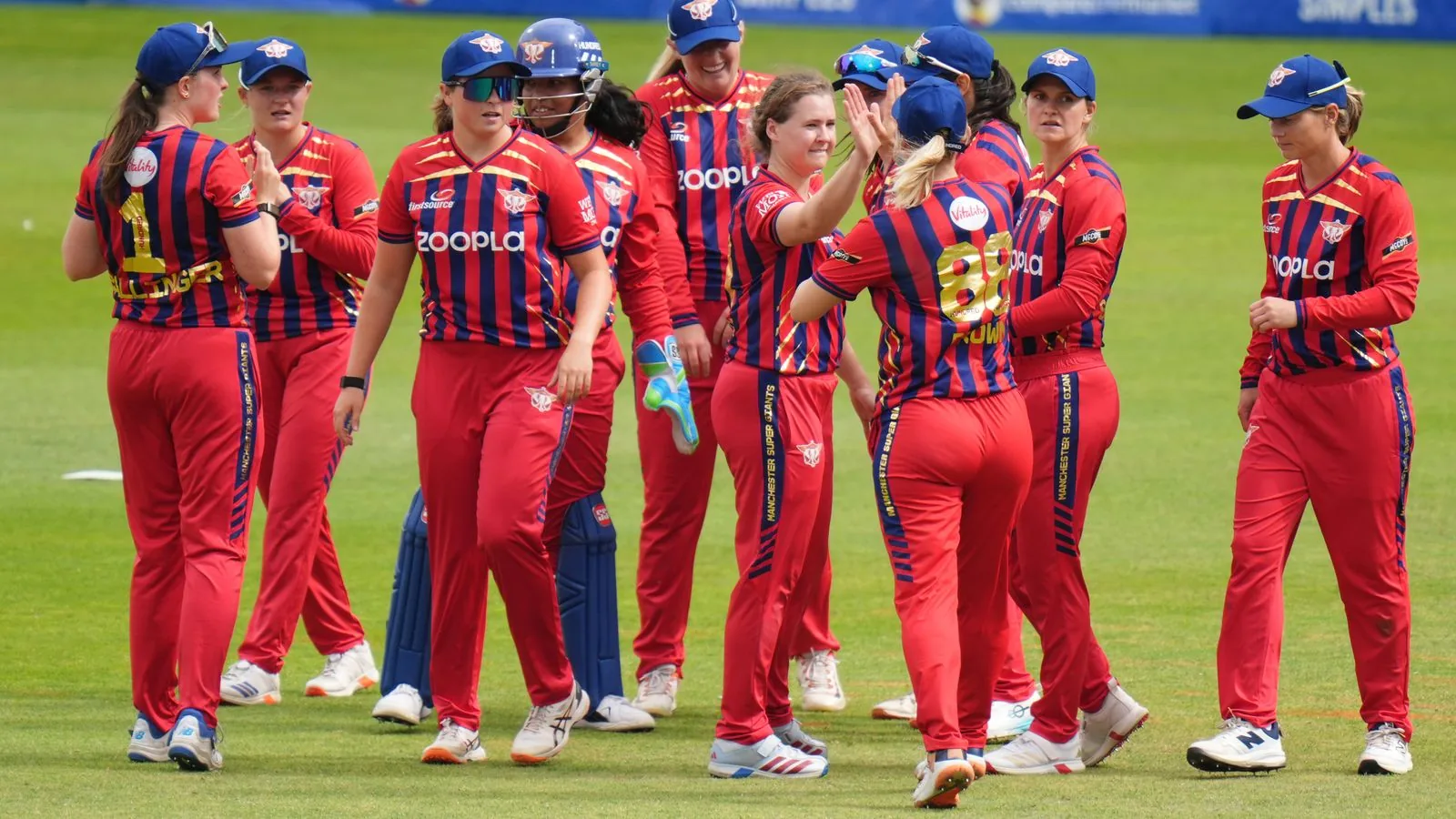
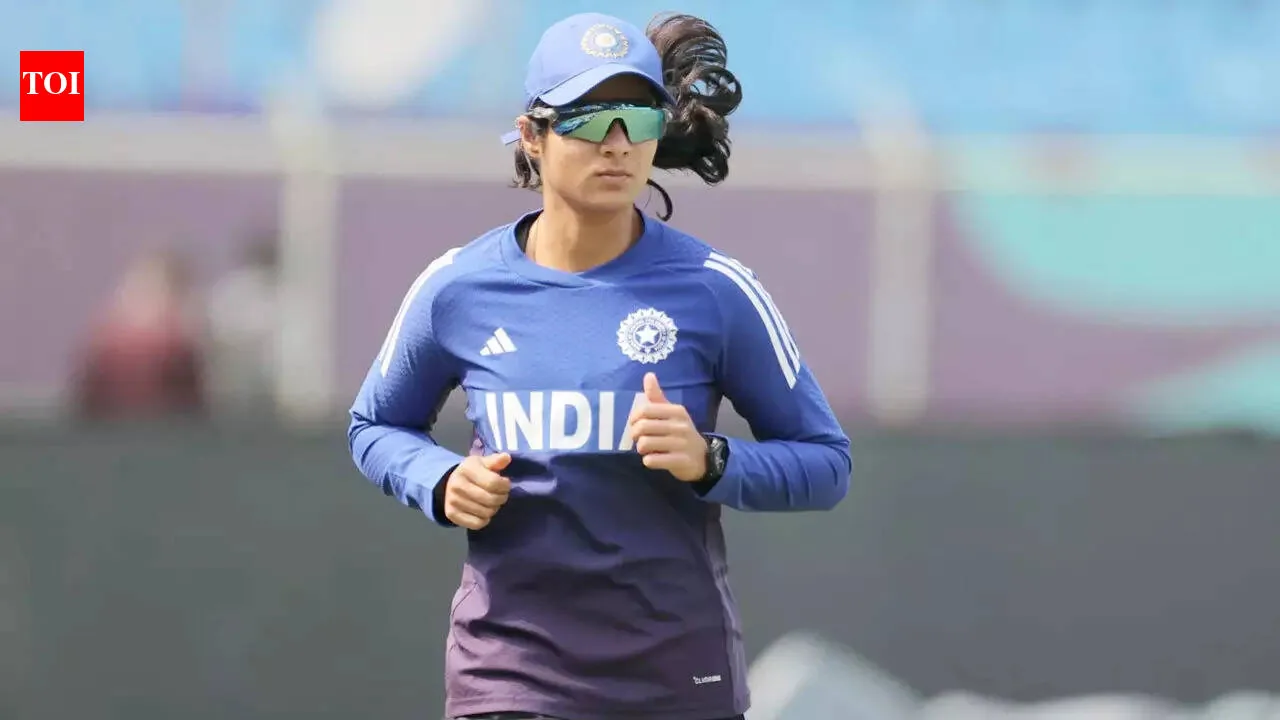
Smaller events, such as the UK Athletics Championships in Birmingham, and the ICC Women’s T20 World Cup, have found it difficult to secure mainstream media coverage. This highlights a broader challenge for sports outside of major football events to reach new audiences.
The Wimbledon Championships, which are scheduled to begin, may benefit from the time difference between the US and London. The return of Serena Williams to the sport is seen as a significant draw for the tournament organisers, helping to generate publicity even amidst the World Cup.
Cricket’s challenge with oversaturation
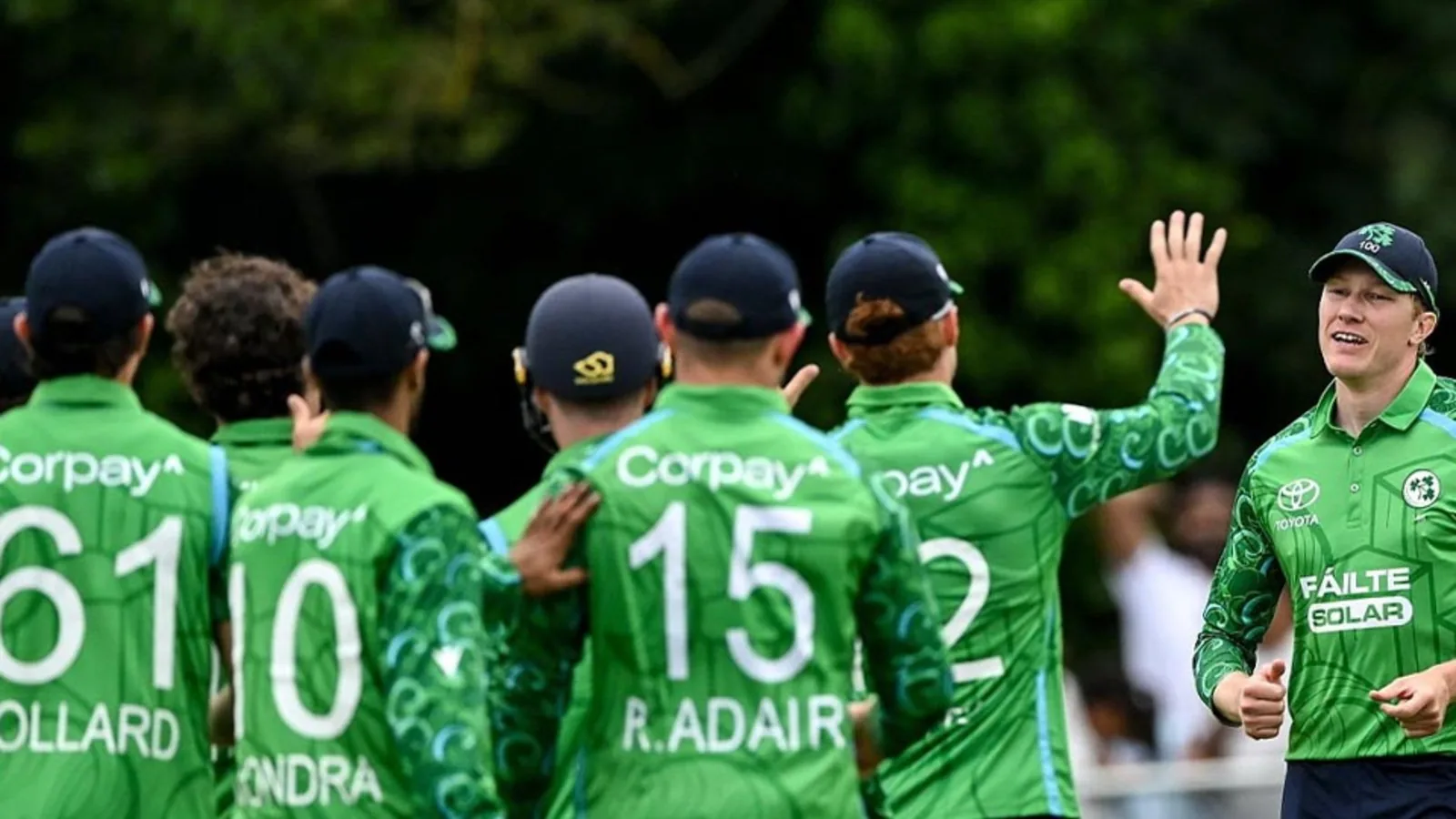
In contrast to football’s quadrennial World Cup, cricket has adopted a model with frequent international tournaments. This includes a Champions Trophy one year and a T20 World Cup the next, alongside the World Test Championship, women’s tournaments, and age-group global events, resulting in a major international event almost every year.
This constant cycle of events, while generating significant revenues and breaking streaming records, has led some fans to feel that the anticipation once associated with major tournaments has diminished. The rarity of events, which once made them sacred, is now less pronounced.
Palaniappan Subramanian, a cricket fan from Chennai, noted that having numerous World Cups and championships makes them less awaited. The continuous flow of events means that a disappointing campaign is quickly followed by another opportunity, shortening the period for reflection.
The commercial success of cricket, particularly its reliance on the subcontinent and India for much of its value, drives this frequent scheduling of ICC events. These events are designed to meet broadcaster demands for premium content.
Ravi Shastri, a former figure in India’s dressing room, suggested that franchise cricket should occupy most of the calendar, with international cricket reserving its emotional capital for major tournaments. He proposed that teams could come together for a World Cup every two or four years to maintain its special status.
This shift indicates a move towards a club-versus-country structure, similar to football. Traditional bilateral series are becoming harder to market, leading administrators to focus on ICC events that guarantee audiences and sponsors. However, this expansion risks diluting the unique appeal of the World Cup.
Football, despite its own commercial expansions like the enlarged Club World Cup and the 48-team men’s World Cup, maintains the principle that the FIFA World Cup occurs every four years. This scarcity helps preserve the anticipation and significance of the tournament, allowing domestic leagues and continental club competitions to fulfill the weekly demand for elite competition.
The International Tennis Integrity Agency’s CEO, Karen Moorhouse, has stated that unpredictable testing is an essential tool to protect clean sport. This comes as Marketa Vondrousova received a four-year ban for refusing an out-of-competition doping test, a decision that has drawn comparisons to shorter bans given to other players for failed tests.
The ban for Vondrousova, who won the women’s singles in 2023 as the first unseeded woman to do so, is in line with regulations for outright refusal of a test. This case highlights the ongoing efforts to maintain integrity in sports.
The discussion around the Vondrousova case and other doping-related bans, such as those for Jannik Sinner and Iga Swiatek in 2024, is expected to continue, particularly during any appeal processes.
In other news, the Northampton Saints have achieved their third consecutive major final appearance, securing two Prem titles in three years.
The summer of 1976 was notable for its sporting headlines, featuring athletes like Bjorn Borg, Chris Evert, Johnny Miller, Alberto Juantorena, Nadia Comaneci, David Wilkie, Niki Lauda, James Hunt, Viv Richards, and Michael Holding.
The 1976 Uefa European Championship, which concluded with Czechoslovakia as the victor, involved only four teams and spanned five days.
A cricket match between Derbyshire and Lancashire at Buxton on June 2, 1975, was famously interrupted by snow, with Clive Lloyd having scored a significant century for Lancashire.
Read Also
Source: cityam.com

Priya Nair
Sports Reporter