Referee appointments spark pre-match debate
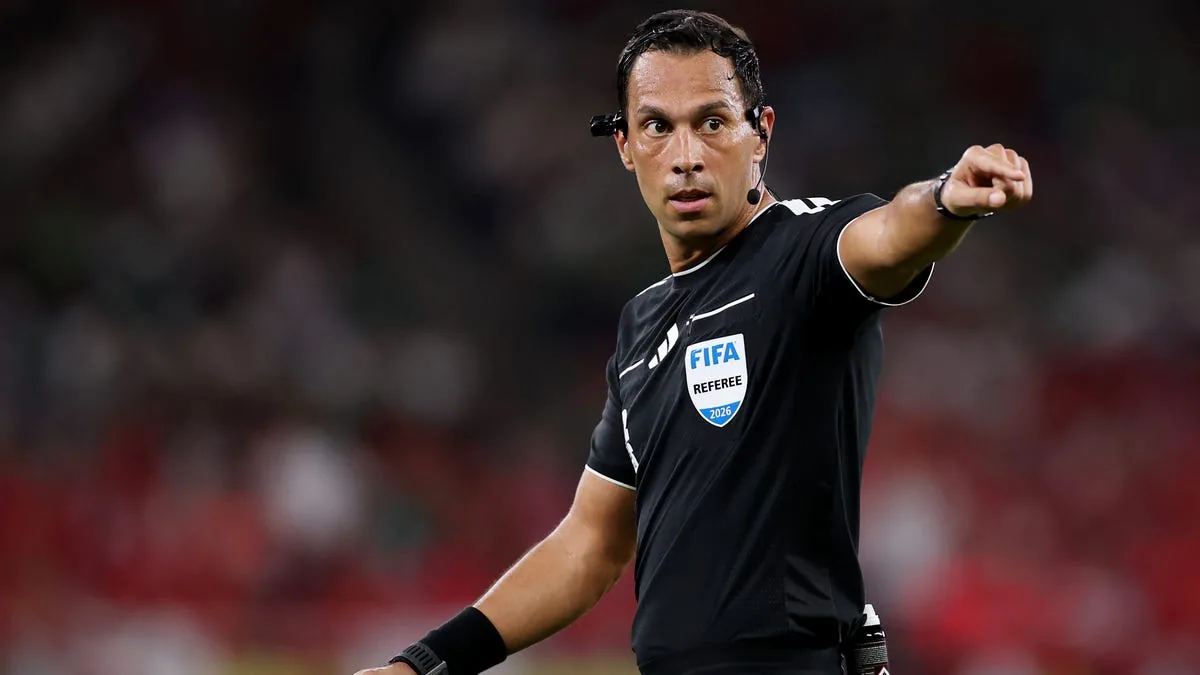
Before the FIFA World Cup quarter-final match between France and Morocco, a debate arose concerning the appointment of an all-Argentinian officiating team. FIFA confirmed that Facundo Tello from Argentina would serve as the referee for the contest. He was supported by assistant referees Juan Pablo Belatti and Gabriel Chade, also from Argentina. Additionally, Darío Herrera was named as the fourth official, and Christian Navarro as the reserve assistant referee, completing an all-Argentinian on-field crew.
This marked the first instance in the 2026 FIFA World Cup where all five on-field officials hailed from the same country. The decision generated considerable discussion on social media, with some supporters questioning the appropriateness of assigning an all-Argentinian crew to a match involving France, given the existing sporting rivalry between France and Argentina. Some fans suggested potential bias, while others described the appointment as controversial.
Despite these concerns, FIFA’s selection aligned with its tournament-wide refereeing policy, which frequently features referees and assistant referees from the same nation. France reserve goalkeeper Robin Risser commented on the situation before the game, stating that fans should not be overly concerned about bias from the Argentinian officials, suggesting that their involvement indicated their competence for the competition.
France’s continued success under Argentinian officials
In a notable statistical trend, France secured a 2-0 victory over Morocco in the quarter-finals, extending an unusual World Cup record. This win marked France’s sixth triumph in FIFA World Cup matches officiated by Argentinian referees. This achievement represents the highest number of victories by any nation under officials from Argentina in the history of the tournament.
The statistic gained additional significance due to the pre-match debate regarding the all-Argentinian officiating team, especially in light of the rivalry between France and Argentina following the 2022 World Cup final. Contrary to concerns that the officiating might disadvantage Didier Deschamps’ side, another Argentinian-led officiating crew coincided with yet another French victory.
This particular match was the third game in this World Cup for referee Facundo Tello, who had previously officiated group-stage matches involving Canada against Bosnia-Herzegovina, and South Africa against South Korea. The consistency in officiating appointments from the same nation has been a feature of the tournament’s refereeing policy.
Match outcome and FIFA’s defence of integrity
Once the match commenced, France shifted the focus from the officiating debate to their performance on the pitch. They maintained control throughout the game against a Morocco side that struggled to create scoring opportunities. Morocco managed only one shot on target, which occurred in the 82nd minute, by which point France had already established a two-goal lead.
The 2-0 victory mirrored France’s previous success against Morocco in the 2022 semi-finals, where they also eliminated the Atlas Lions by the same scoreline. This result once again ended the North African nation’s World Cup aspirations. Beyond advancing to another semi-final, France quietly extended its unique statistical streak of success under Argentinian officials.
The controversy surrounding referee appointments occurred amidst increased scrutiny of officiating throughout the tournament, particularly after Argentina’s Round-of-16 victory against Egypt, which also sparked significant refereeing debate. FIFA’s chief refereeing officer, Pierluigi Collina, strongly defended the integrity of match officials.
Collina rejected claims that referees could be influenced externally, stating that such accusations could lead to threats against officials and their families. He also dismissed suggestions of political or institutional interference, asserting that FIFA refereeing cannot be influenced by anyone, including the FIFA president, and that officials make honest decisions with complete independence.
Ironically, France had also been involved in a match where French officials were part of Argentina’s Round-of-16 victory over Egypt, another game that generated considerable refereeing discussion.
The quarter-final match took place on Thursday, July 9, at Gillette Stadium in Foxborough, Massachusetts.
Read Also
Source: timesofindia.indiatimes.com

Priya Nair
Sports Reporter