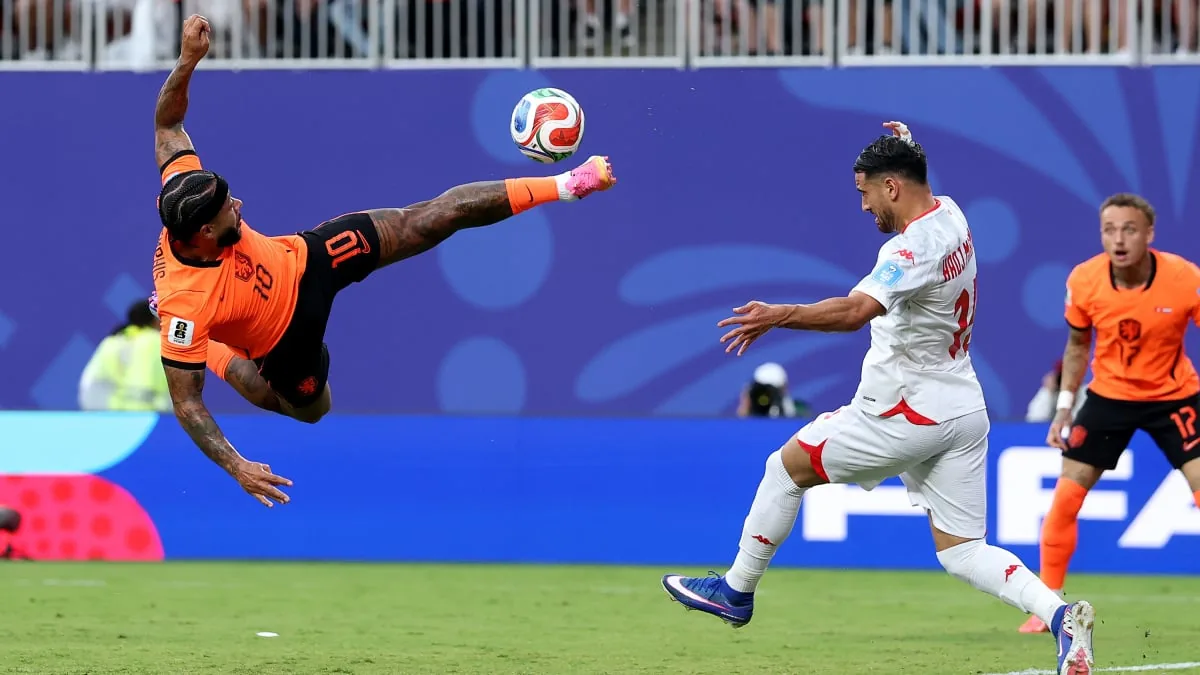
The World Cup 2026 continues to highlight the intricate connections between history, migration, and national identity, with the upcoming match between the Netherlands and Morocco serving as a prominent example. This Round of 32 fixture, scheduled to take place in Monterrey, brings together two teams with strong performances in the group stage.
The Netherlands advanced after topping Group F with seven points and scoring 10 goals. Morocco also progressed undefeated, securing seven points and finishing just behind Brazil on goal difference in their group, which included Scotland and Haiti.
Evolving National Identity in Football
The dynamic between the Netherlands and Morocco in football has undergone a significant transformation. Historically, Dutch-born players of Moroccan heritage were largely expected to represent the Netherlands. This assumption began to shift after Dries Boussatta, born in Amsterdam, became the first Dutch-born player of Moroccan heritage to play for the Netherlands in November 1998. He later made appearances for Morocco.
The decision for dual-national footballers is often deeply personal, influenced by family, culture, and opportunities. The relationship between the Dutch and Moroccan football federations has also evolved. The Royal Moroccan Football Federation initiated a strategy over a decade ago to identify and connect with dual-national talent across Europe, including in France, Belgium, Spain, and the Netherlands.
This approach involved scouting promising young players and fostering relationships with their families, a factor considered crucial in a player’s decision-making process. This policy has had a notable impact on Morocco‘s international team composition. By the 2018 World Cup, five members of their squad were born in the Netherlands. This number increased to 14 foreign-born players in their 26-man squad when Morocco reached the semi-finals of a World Cup four years later.
Key Player Decisions and Team Dynamics
A pivotal moment in this shift was Hakim Ziyech‘s decision to represent Morocco. Born in Dronten and developed within the Dutch system, Ziyech had played for the Netherlands at youth level and received a senior call-up in 2015. However, he felt overlooked by the Dutch coaching structure, while Morocco actively engaged with him, presenting a long-term vision and making him feel integral to the national team.
Ziyech‘s choice in 2015, driven by a strong sense of Moroccan identity, influenced other players. Notable examples include Noussair Mazraoui, who progressed through Ajax‘s academy, Sofyan Amrabat, who grew up in Huizen, and Anass Salah-Eddine, all of whom committed their international futures to Morocco. Ismael Saibari, though born in Spain, was largely trained at PSV Eindhoven‘s academy and now plays for Morocco.
The upcoming match in Monterrey is anticipated to be a challenging encounter. Morocco‘s manager, Mohamed Ouahbi, emphasised that the primary motivation for his players is to represent their country. The match will be played in potentially high temperatures, projected to be at least 30 degrees C, which could influence the game’s dynamics.
The Netherlands‘ attack has been bolstered by striker Brian Brobbey, who scored with his first three shots on target this summer. Cody Gakpo and Crysencio Summerville have also been key contributors, both scoring twice in the group stage. Ismael Saibari has been a significant threat for Morocco, scoring three goals, including one against Brazil.
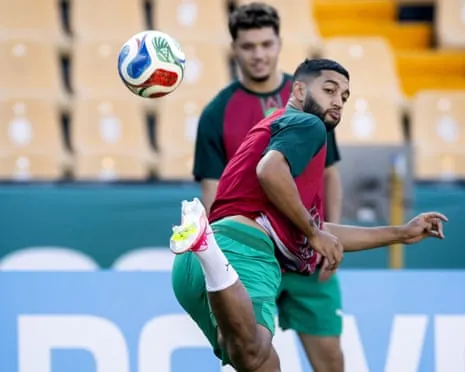
The connection between the two nations extends beyond football, rooted in decades of Moroccan migration to the Netherlands, which began with labour agreements in the late 1960s. Today, many Dutch citizens have Moroccan heritage, creating generations with ties to both countries. The World Cup fixture in Monterrey represents a new chapter in this ongoing story, where national identity in football is increasingly shaped by heritage and personal choice.
The match between the Netherlands and Morocco is scheduled to kick off at 9 p.m. ET on June 29 at Monterrey Stadium.
Read Also
Source: bbc.com

Priya Nair
Sports Reporter