The 2026 FIFA World Cup, hosted across Canada, Mexico, and the United States, has concluded, leaving behind a complex legacy of spectacle, controversy, and memorable human interest stories. While some aspects of the tournament drew criticism, others highlighted the unifying power of football.
The event was marked by various issues, including visa problems, high ticket prices, and contested referee decisions. Reports also noted challenges with basic organisation and facilities for media at several venues, though some cities like Houston and Atlanta were exceptions. Environmental concerns were raised in Mexico regarding water extraction and damage linked to World Cup projects, while in the US and Canada, there were reports of homeless individuals being displaced.
Tournament Controversies and Criticisms
One significant point of contention was the ‘Balogun Affair’, which saw a 64-year precedent set aside to allow a particular player to participate, drawing comparisons to similar decisions made for Cristiano Ronaldo and Lionel Messi in other tournaments. This move, along with the general prioritisation of revenue generation, led to criticism from some British and American politicians.
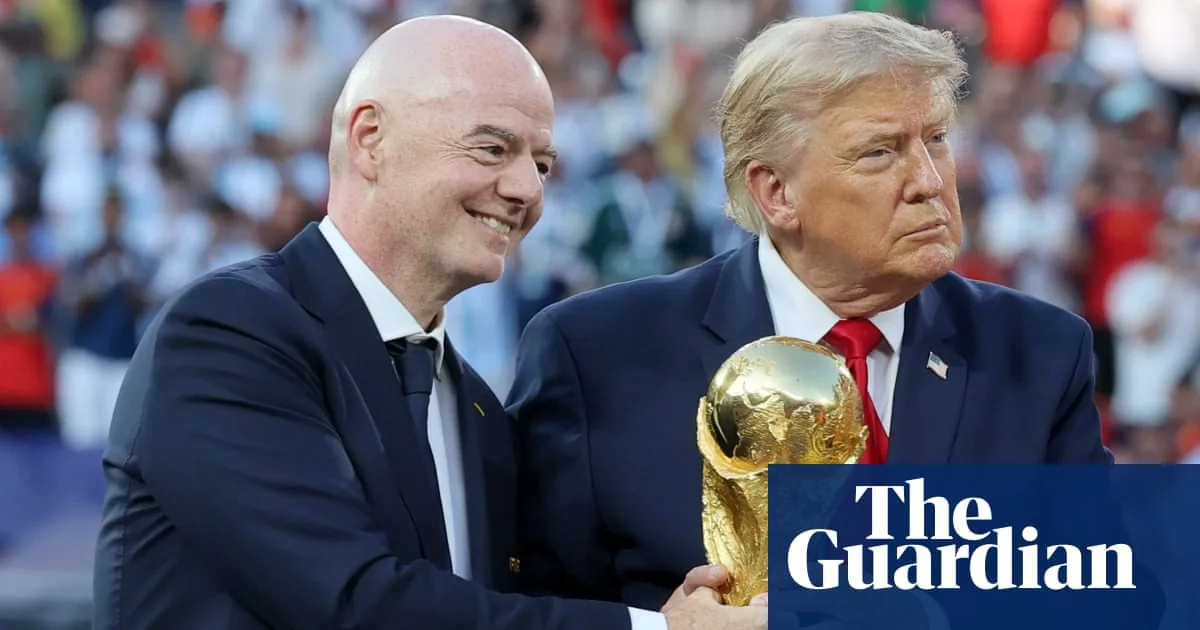
The treatment of Iran was also described as scandalous, setting a concerning precedent. Ticket prices were a major issue, with some reports suggesting that the tournament has become a luxury event, making it less accessible for regular fans. An Italian newspaper, la Gazzetta dello Sport, even described the World Cup as a “disaster,” citing issues such as ticket prices, the Balogun situation, weather conditions, an increase in games, and a decrease in player rest. The newspaper later reported a reduction in its ticket allocation for the final, raising questions about media access and narrative control.
On-field Action and Memorable Moments
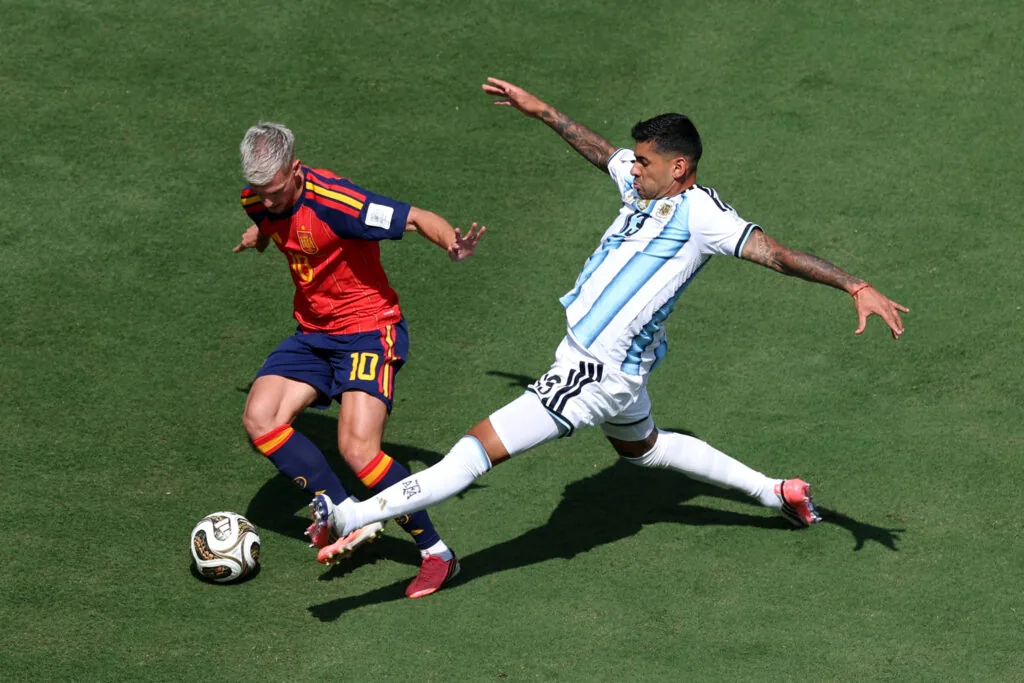
Despite the controversies, the football itself was described as good, though not exceptional. Several dramatic matches occurred in the earlier stages, including Brazil against Japan, Morocco versus the Netherlands, and England against Mexico. The semi-final between Argentina and England was particularly thrilling, while Spain’s victory over France in their semi-final was noted for its relative ease. The final match, however, was deemed a dismal affair.
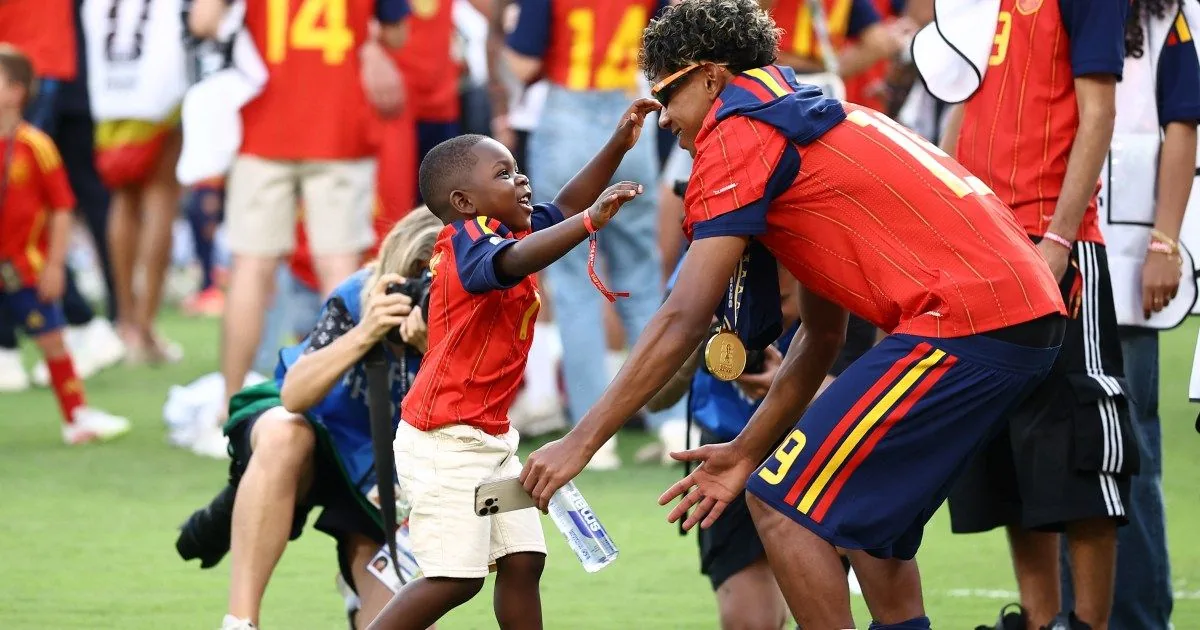
Beyond the competitive aspect, the tournament also provided numerous heartwarming moments. Cape Verde goalkeeper Vozinha became a breakout star, with his mother eventually able to witness his performances after travel fees were waived. Lamine Yamal’s three-year-old brother, Keyne, gained popularity for his celebrations, often seen running onto the pitch to greet his brother.

A young fan named Isfandiyor Begmatov, upset by Uzbekistan’s loss to Colombia, was cheered up by Colombian fans and later invited to meet the Uzbekistan team. Merlin, a pet duck in a Mexico jersey, became an unofficial mascot and even met President Claudia Sheinbaum. Another fan, Santi, received a customised jersey from Mexico forward Santiago Gimenez after his dedication to the team went viral.
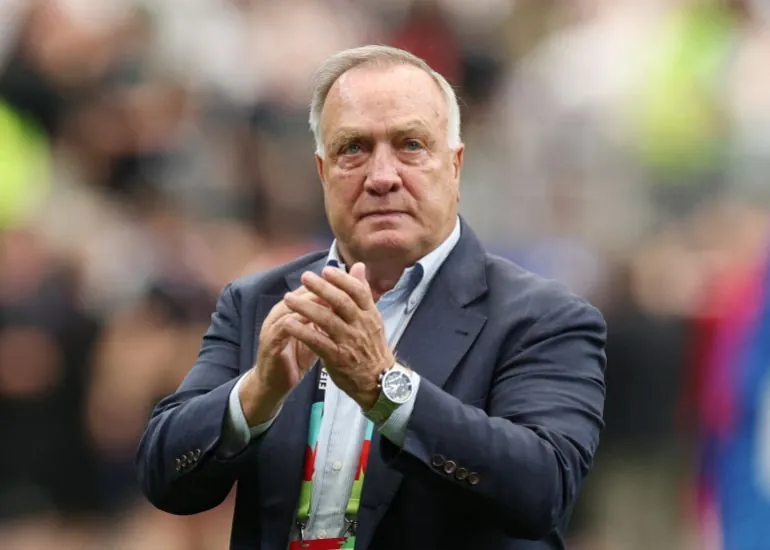
Jude Bellingham was celebrated by England fans with renditions of “Hey Jude” after every match, becoming England’s top scorer in the tournament with his seventh goal against France. Curacao’s manager, Dick Advocaat, became the oldest manager in World Cup history and was visibly emotional before his team’s debut against Germany, a match where Livano Comenencia scored the nation’s first-ever goal.
Read Also
Source: theguardian.com

Priya Nair
Sports Reporter