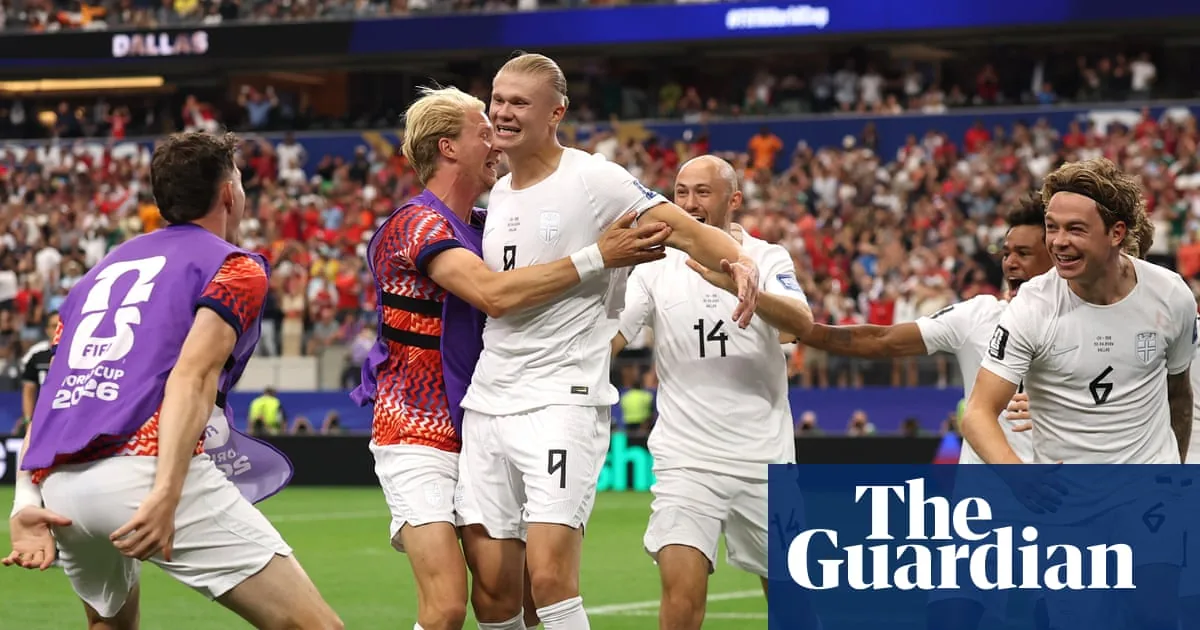
Norway secured a spot in the Round of 16 at the 2026 FIFA World Cup, defeating Côte d’Ivoire 2-1 in a closely contested match at Dallas Stadium. The decisive goal came late in the game from Erling Haaland, ensuring Norway’s progression.
The match saw Norway take an initial lead, but Côte d’Ivoire managed to equalize before Haaland’s late intervention. This victory marks a significant achievement for Norway, as neither side had previously won a knockout game at a World Cup. Norway will now face Brazil in their next fixture at New York New Jersey Stadium.
First half sees Norway take the lead
The game began with both teams looking to establish control. Norway broke the deadlock in the first half with a goal from Antonio Nusa. Nusa’s strike, which curled into the far corner, came in the 39th minute, against the run of play as Norway had largely been chasing the game for much of the opening half hour. Following the goal, Norway began to assert more control over the match, carrying much of the play and taking a 1-0 lead into halftime.
Just minutes after Nusa’s goal, Haaland nearly extended Norway’s advantage with a close-range shot that was blocked. The subsequent corner kick saw the imposing striker narrowly miss another opportunity to score. Despite Côte d’Ivoire’s possession, Norway appeared to be in control for periods of the first half.
Dramatic second half and late winner
The second half started openly, with both teams creating scoring opportunities. A notable chance for Norway came from a corner kick, where Torbjørn Heggem’s close-range shot appeared destined for the net but was blocked off the line by Côte d’Ivoire midfielder Amad Diallo. Following a hydration break in the second half, Norway made some defensive substitutions in an attempt to maintain their lead.
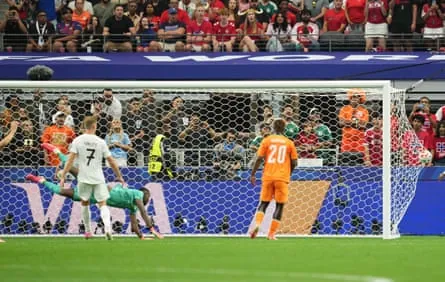
However, Côte d’Ivoire equalized shortly after through Diallo. The Manchester United player executed a quick one-two with Nicolas Pépé, dribbled through the Norwegian defense, and struck a left-footed shot that bounced over goalkeeper Ørjan Nyland and into the net. Diallo’s goal was described as a stunning equalizer, reigniting the match and putting pressure on Norway.
With only four minutes remaining, Haaland scored the winning goal for Norway. The move originated on the Norwegian right side, with Patrick Berg delivering an exquisite through ball. Berg then crossed into the middle of the box to Haaland, who had an open net. Haaland’s touch, which appeared to be a mis-hit attempt to control the ball, saw it scoot over the line, giving Norway a 2-1 lead in the 86th minute. This goal marked Haaland’s fifth of the tournament.
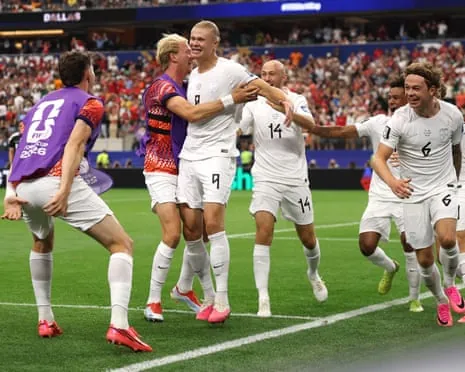
Côte d’Ivoire pressed for another equalizer in the final minutes, attempting to force extra time. Nyland made a superb save from a Diallo free-kick in injury time, preserving Norway’s lead. The victory vindicated Norway’s coach, Ståle Solbakken, who had faced criticism for resting almost his entire side in their final group game against France. Solbakken’s decision was contingent on the outcome of this match, and Norway’s progression to the last 16 justified his strategy.
Historical context and future challenge
For both Norway and Côte d’Ivoire, this match represented rare territory. Côte d’Ivoire had never advanced past the group stage despite winning a game in every World Cup they had participated in, often due to challenging draws. Norway had only played two previous knockout games, in 1938 and 1998, losing to Italy on both occasions. Solbakken’s tactical changes, including starting only Patrick Berg in both of Norway’s last two matches, were an attempt to break this historical pattern.
The Norwegian team displayed a strong sense of togetherness, evident in their post-match celebrations, which included captain Martin Ødegaard leading players and fans in a mass ‘Viking row’ with a drum brought from the stands. This generation of Norwegian players, known for their free-scoring style, adapted to a more defensive and resilient approach in this match, which proved effective against Côte d’Ivoire. The upcoming match against five-time World Cup champion Brazil on July 5 will provide a significant test of their resolve.
Read Also
Source: theguardian.com

Priya Nair
Sports Reporter