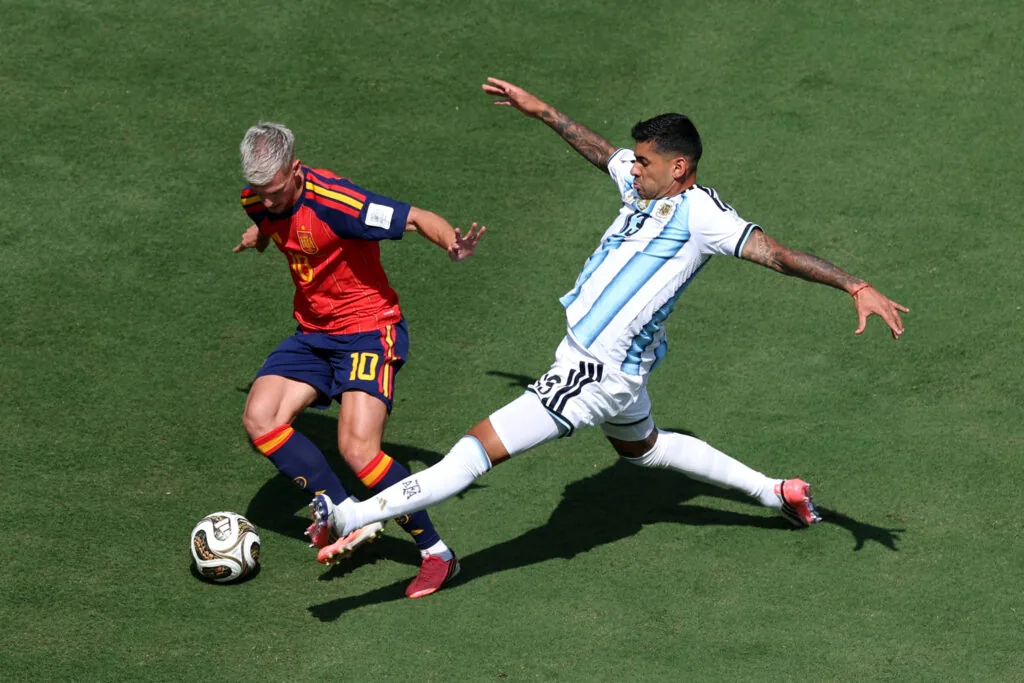
Spain claimed their second FIFA World Cup title after a dominant 1-0 victory over defending champions Argentina in the final held at New York New Jersey Stadium. The decisive goal came in the 106th minute from Ferran Torres, following extra time, marking a significant triumph for the European side.
The match was characterized by Spain’s overwhelming control, which effectively neutralized Argentina’s offensive efforts. The statistics from the game highlighted Spain’s superiority, as they registered 20 shots, with 12 of those on target. They also completed 738 of their 817 passes, consistently pressing Argentina’s defense and forcing goalkeeper Emiliano Martínez into numerous saves.
In stark contrast, Argentina failed to record a single shot during regular time. This unusual statistic places the 2026 final in a rare category. According to data from Opta, only three teams since 1966 have failed to attempt a shot in normal time during nearly 900 World Cup matches: Costa Rica against Brazil in 1990, Costa Rica against Spain in 2022, and now Argentina against Spain in the 2026 final. While the previous instances involved underdogs, Argentina entered the match as the reigning world champions, led by Lionel Messi.
Spain’s Tactical Masterclass
Spain’s strategy was built on maintaining possession and dictating the tempo of the game, a philosophy that has long been associated with Spanish football. Players like Fabian Ruiz, and later Pedri, orchestrated the midfield, while Alex Baena and Rodri exploited spaces between defensive lines. Dani Olmo, along with Nico Williams Jr and Lamine Yamal, stretched the field with their wide play, forcing Argentina to constantly retreat and reorganize.
Lionel Messi, who had been instrumental in Argentina’s deep run in the tournament, found himself isolated throughout the match. Every attempt he made to control the ball or initiate an attack was met with immediate pressure from Spanish players. Passing lanes were consistently closed, and any effort to impose his rhythm on the game was stifled. This resulted in one of his quietest performances in a World Cup final, not due to a lack of ambition, but because Spain prevented him from playing on his terms.
The extent of Spain’s dominance was further underscored by Argentina’s inability to advance beyond their own half for significant periods. The South American team concluded the 90 minutes with only 34% possession, which represents their lowest share of the ball in any World Cup match since Opta began recording such data in 1966. Goalkeeper Emiliano Martínez recorded the most touches for Argentina, highlighting how effectively Spain pinned back the defending champions.
Extra Time Decider and Key Moments
Despite Spain’s relentless attacks, Emiliano Martínez delivered a series of outstanding saves, denying opportunities from players like Williams, Pedri, and Torres. His efforts kept Argentina in the game and prevented Spain from securing an earlier lead. However, the continuous pressure eventually proved too much for the goalkeeper and his team.
The breakthrough came 16 minutes into extra time when Nico Williams Jr cushioned a header into the path of Ferran Torres, who then fired the ball past Martínez. This goal finally rewarded Spain’s sustained dominance throughout the match.
Argentina’s chances were further diminished when Enzo Fernández received a second booking in stoppage time, resulting in a red card and reducing Lionel Scaloni’s side to 10 men. This dismissal effectively extinguished any realistic hope of an Argentine comeback, though the balance of the match had largely been decided prior to the red card.
Spain’s victory was attributed to their collective superiority and tactical execution under coach Luis de la Fuente. Their pressing tactics prevented transitions, their midfield maintained composure in possession, and their defensive line offered minimal space for Messi and Julián Álvarez to operate.
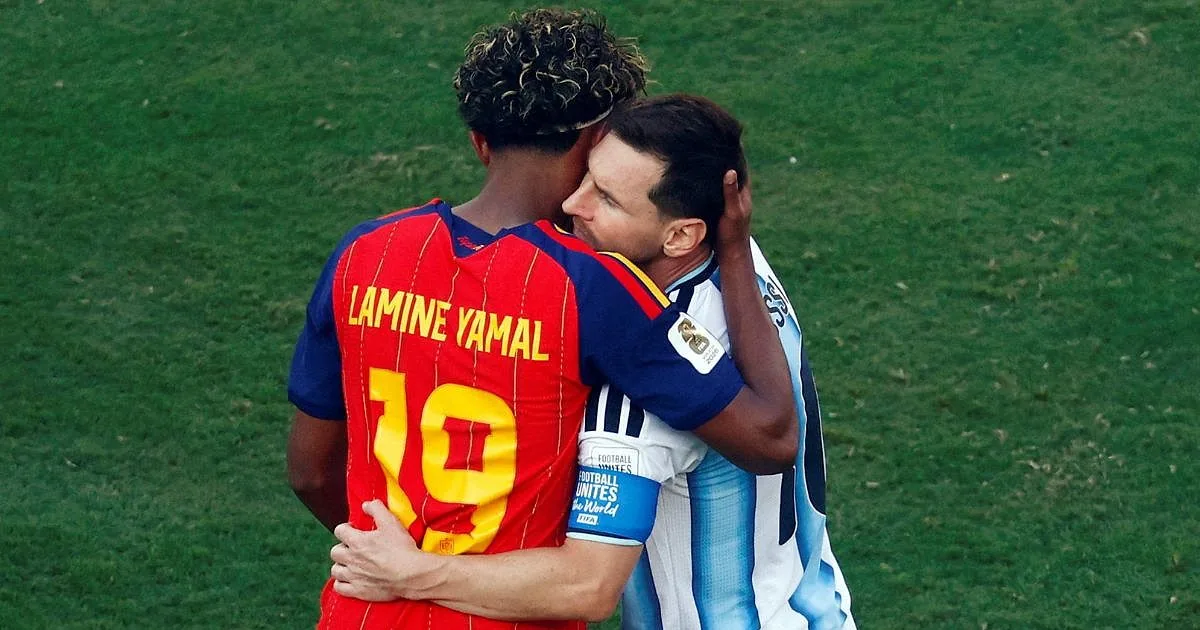
Following the final whistle, Spain’s 19-year-old star, Lamine Yamal, was seen consoling a dejected Lionel Messi. Messi, at 39 years old, became only the second player to participate in three World Cup finals and the oldest outfield player to feature in a final. Luis de la Fuente, at 65 years old, became the oldest coach to win a World Cup. Additionally, Spain set a record for the fewest goals conceded during a successful World Cup campaign, with goalkeeper Unai Simon earning the Golden Glove for conceding just one goal across eight matches.
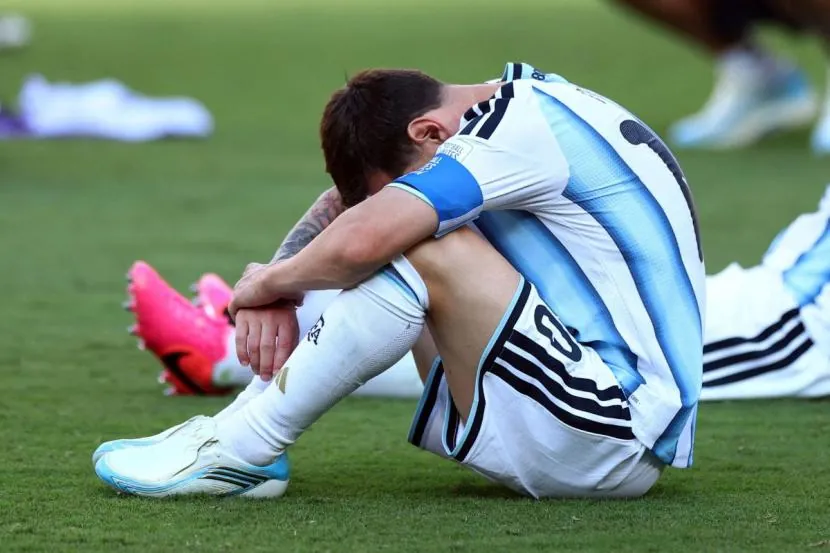
For Argentina, the defeat marked the end of their reign as world champions, which began four years prior. The final was characterized by Spain’s complete domination, a rare occurrence in World Cup history.
Read Also
Source: timesofindia.indiatimes.com

Priya Nair
Sports Reporter