Spain secures World Cup victory
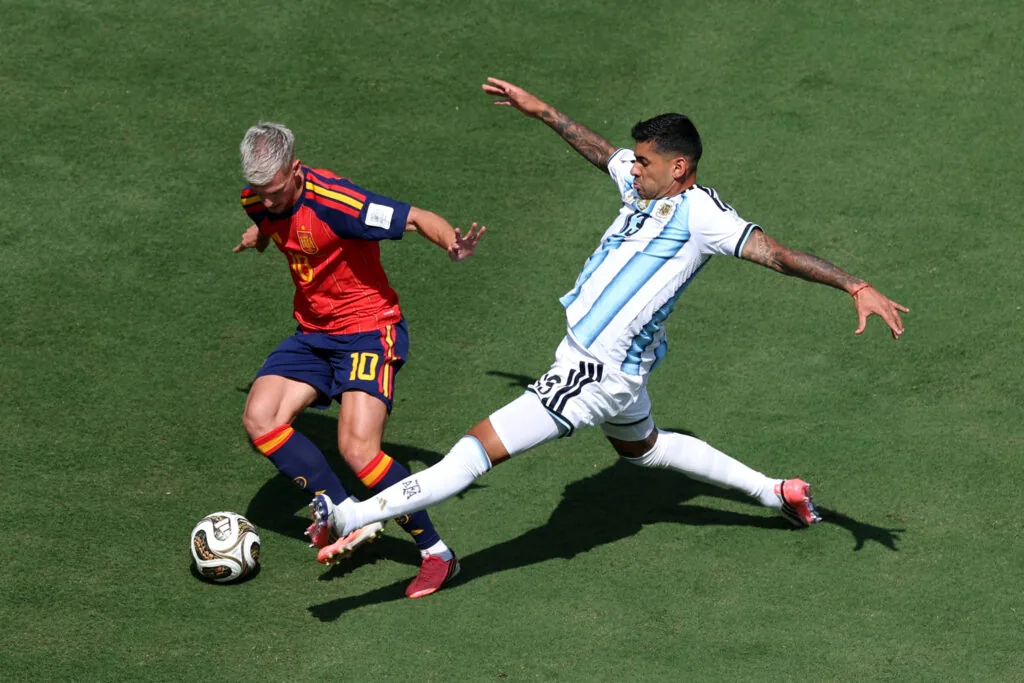
The FIFA World Cup 2026 has concluded, with Spain emerging as the champions after defeating Argentina 1-0 in the final. The decisive goal was scored by Ferran Torres during extra time. This victory for Spain followed a tournament that featured 104 games and 308 goals, marking the longest World Cup to date.
The final match itself was described as uncharacteristic, lacking the usual entertainment value, particularly given Argentina’s performance. Despite reaching the final, Argentina did not register a shot on target, a disappointing outcome for a team that had shown resilience throughout the knockout stages, often coming from behind to secure wins.
Spain’s success was attributed to their consistent and stable team play, rather than relying on individual attacking brilliance. Their strategy involved controlling games and then surgically defeating opponents, a method that proved effective throughout the extended tournament.
Tournament structure and controversies
This edition of the World Cup was notable for its expanded format, featuring 48 teams. While some initially expressed concerns about saturation, the expansion ultimately offered more opportunities for various teams and players. For instance, Cape Verde, making their debut, garnered significant support by holding Spain and Uruguay to draws and pushing Argentina into extra time.
The tournament also highlighted several areas for future consideration, including the use of hydration breaks. These breaks, often met with boos from fans in stadiums, were seen by some as disrupting the flow of play. While scientists, coaches, and FIFA may advocate for their continuation in summer World Cups due to rising global temperatures, their reception suggests a need for review.
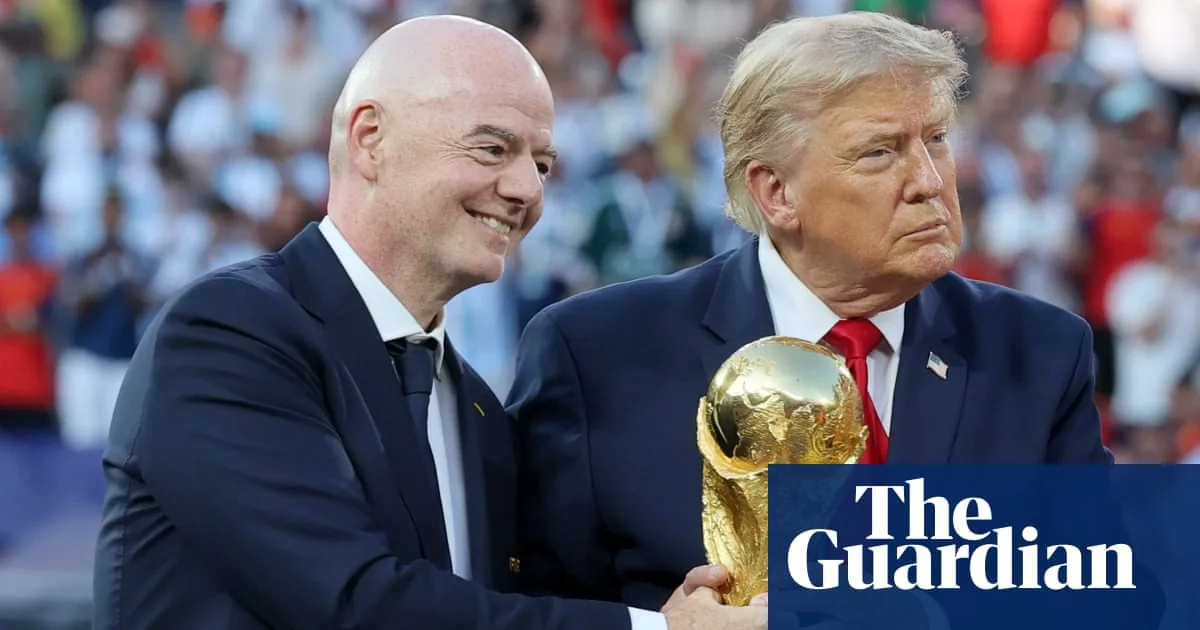
A significant controversy arose from the suspension of a red card issued to USA forward Folarin Balogun. Balogun was sent off during a match against Bosnia and Herzegovina, but his ban was controversially suspended for a one-year probationary period following an appeal from US President Donald Trump to FIFA chief Gianni Infantino. This decision drew criticism from various football bodies and former players, raising questions about the consistency of rules and regulations in major tournaments.
Performance of co-hosts and other nations
The tournament, co-hosted by the United States, Canada, and Mexico, also provided insights into the development of football in these regions. Canada’s progress to the last 16 signaled potential growth in men’s football, with increased investment and record crowds attending games. Mexico, despite strong fan support and a previously unbeaten record at the Azteca stadium, experienced a heartbreaking loss on home soil to England, marking their first defeat there in 10 games.
Other notable performances included Morocco, who reached the quarter-finals for the second consecutive time, becoming the first African nation to do so. They navigated a relatively straightforward group and overcame the Netherlands on penalties before eliminating Canada. Norway also made a significant impact, reaching the quarter-finals for the first time since 1998 and defeating Brazil along the way, suggesting a bright future for their generation of players.
The tournament concluded with Spain’s victory over Argentina, marking the end of the 2026 World Cup.
Read Also
- Spain secures second World Cup title with dominant performance against Argentina
- Pamplona: Nico Williams dedicates Euro 2024 medal to mother's journey
- Madrid prepares for Spain's World Cup victory parade as team returns home
- Argentina's post-final conduct draws criticism after World Cup defeat to Spain
Source: aljazeera.com

Priya Nair
Sports Reporter