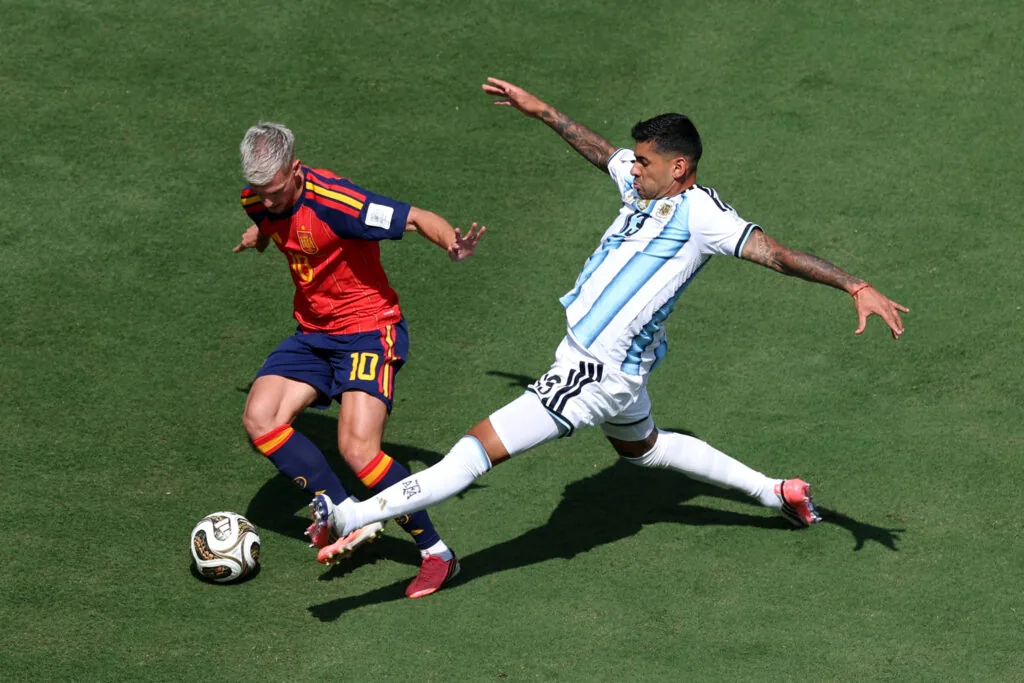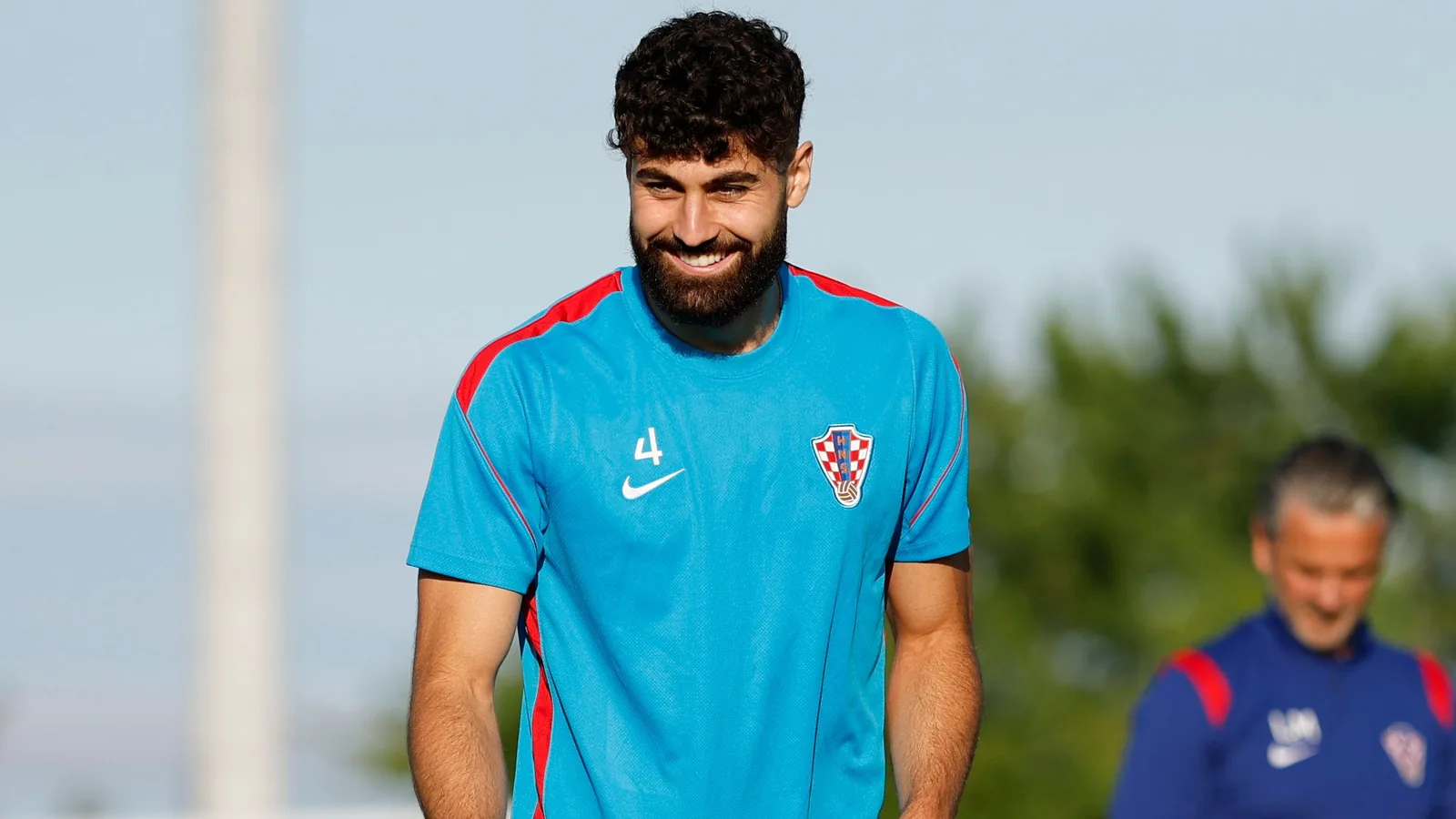
The World Cup final is set to feature Lionel Messi and defending champions Argentina against Spain. This highly anticipated match will pit one of football’s most celebrated players against a dominant Spanish squad that has maintained an impressive unbeaten streak.
Spain enters the final having not lost in 37 consecutive matches, a run that began in early 2024. Their coach, Luis de la Fuente, has overseen a record of 28-0-9 during this period. For Spain, this final presents an opportunity to secure a second World Cup title, adding to their 2010 victory, and to solidify their position as a leading force in international football.
Meanwhile, Argentina aims to become the first team since Pelé’s Brazil in 1958 and 1962 to win back-to-back men’s World Cup titles. For Messi, it is a chance to conclude his international career with another major triumph.
Tactical approaches and team dynamics
The final is expected to showcase a contrast in styles. Spain, known for its possession-based game, has averaged 64% possession in the tournament. Their approach, rooted in the juego de posición model, has been reinvigorated by Luis de la Fuente, who has a deep understanding of the federation’s system, having coached many players since their youth national teams.
Argentina, under coach Lionel Scaloni, has focused on restoring a more traditional Argentinian game, emphasizing short passing. Scaloni, like De la Fuente, transitioned to the senior role after coaching the Under-21 team, suggesting a continuity in understanding players and system. Argentina’s analyst, Matías Manna, highlights midfielder Leandro Paredes as a crucial presence, noting his ability to win the ball and connect with inside players and the No. 10, Messi.
The emotional aspect is also a significant factor for Argentina, with a strong sense of togetherness driving their campaign to secure a second World Cup for Messi. This passion, however, carries a risk, as it could potentially lead to errors against a composed Spain side.
One key tactical battle will involve containing Rodri, the central midfielder for Spain. Preventing him from dictating play will be crucial for Argentina, potentially requiring players like Alexis Mac Allister or Enzo Fernández to closely mark him.
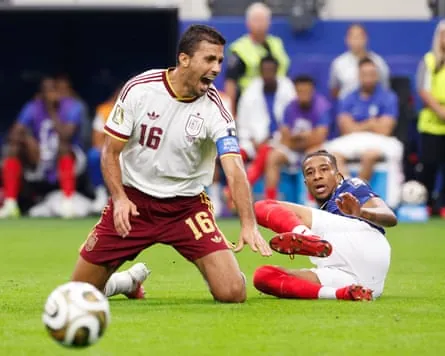
Argentina’s formation against Spain may mirror their setup against England, potentially shifting from a 4-4-2 to a 4-5-1, with Messi operating as a loose centre-forward and Julián Álvarez on the left. A decision on whether to deploy Giuliano Simeone as an irritant on the right or to use Rodrigo De Paul, Messi’s usual bodyguard, is among the choices Argentina faces.
Historical context and individual narratives
The history between Messi and Spain adds another layer to the final. Although born in Argentina, Messi spent much of his youth and club career in Spain and was eligible to play for their national team, a proposition he declined. The upcoming match will be his first against Spain since a 2010 friendly where Argentina defeated the then-reigning World Cup champions.
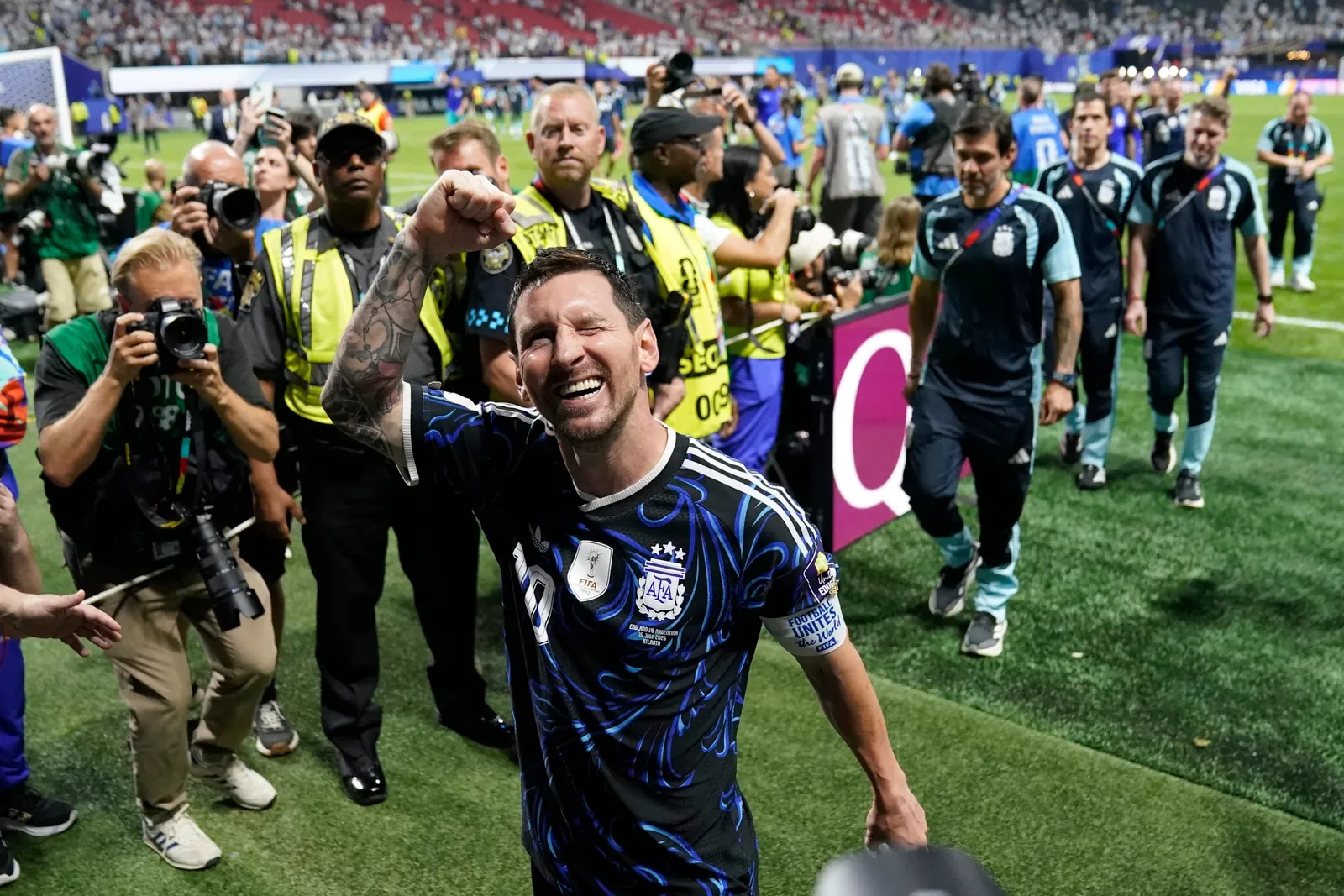
Messi’s journey with the national team has seen its challenges, including a brief retirement in 2016 after a Copa América final loss. However, he returned to lead Argentina to success, including Copa América titles in 2021 and 2024, and the World Cup in 2022. His coach, Lionel Scaloni, describes him as a legend and the best footballer the world has seen.
Spain is also pursuing historical achievements, with their strong defensive record being a notable feature of this tournament. They have conceded only one goal in their first seven matches and have not trailed at any point in this World Cup. This defensive solidity places them in contention to surpass the defensive records of past World Cup winners like Spain in 2010, Italy in 2006, and France in 1998, all of whom conceded two goals in their respective tournaments.
Spain captain Rodri acknowledges Argentina’s strength beyond Messi, recognizing them as a complete team with top players. The final match of the World Cup will determine whether Argentina can defend its title or if Spain will claim its second World Cup trophy.
The final is set to be a significant event, with Argentina goalkeeper Emiliano Martinez expressing his hope for a final that will be remembered in history.
Read Also
Source: theguardian.com

Priya Nair
Sports Reporter